.png)

Introduction
Steel is also among the most popular materials used in construction and manufacturing projects. The problem is that steel production is considered energy-intensive and contributes to around 7–9% of CO₂ emissions in the world. However, due to increased awareness among nations around the world related to climate change and sustainability in the environment, it has become the most appropriate time for the use of eco-friendly steel products. Green steel has become an ideal solution for nations that want to deal with climate change aspects in their economies by ensuring that growth in manufacturing continues despite this challenge.
We will go through every essential topic about ‘Green Steel’. Right from its definition, production method, benefits, challenges in adoption, to its future outlook, this article will provide you with a complete overview and help you understand this topic clearly.
What is Green Steel?
Green steel is essentially steel made with significantly lower emissions of carbon compared to traditional steel production. The traditional production of steel involves blast furnaces that are commonly powered by coal, which produces enormous emissions of CO2. Green steel production involves the effective use of renewable energy sources. It is fundamentally a key element of policies required for the achievement of a net-zero emissions goal. Green steel production has several advantages; it not only helps with climate change but also inspires the metal industry to practice green innovation.
Production Methods
Hydrogen-Based Reduction
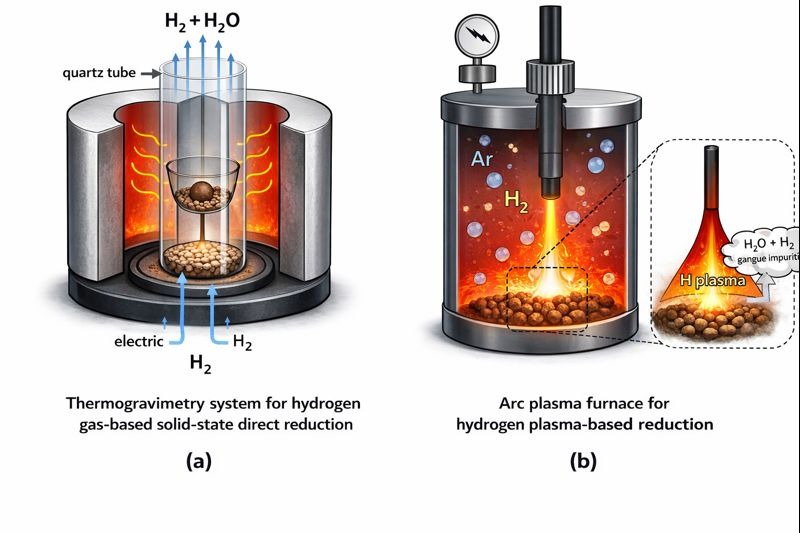
Hydrogen-based steel-making stands out as the most innovative technique of producing “green steel.” In hydrogen-based steel-making, “green hydrogen,” produced by the consumption of renewable energy, reduces iron ore to produce steel. Hydrogen-based steel-making removes all CO2 emissions as it merely releases water vapor. Therefore, hydrogen-based steel-making researches have attracted the attention of nations that are attempting to make their industrial sectors carbon neutral.
Electric Arc Furnaces (EAFs)
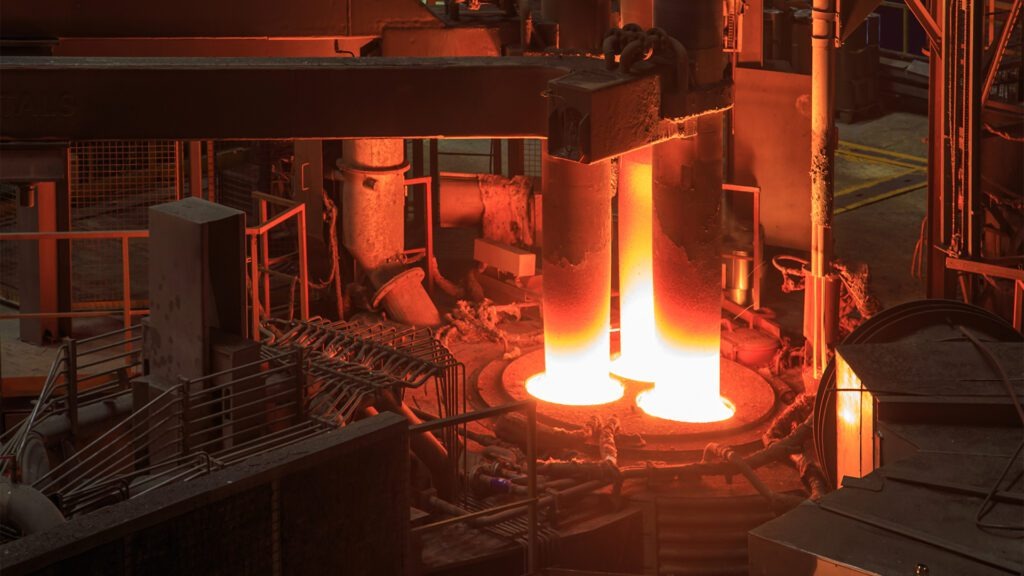
Electric Arc Furnaces (EAFs) are an alternative method that melts scrap steel with the use of electricity instead of coal. With the use of solar or wind, carbon emissions can be highly reduced while using EAFs for the production of green steel. Moreover, EAFs also create a circular economy since their use leads to the reuse of steel. Countries with high renewable resources, such as Germany, are also aggressively using EAFs for the production of green steel.
Carbon Capture, Utilization, and Storage (CCUS)
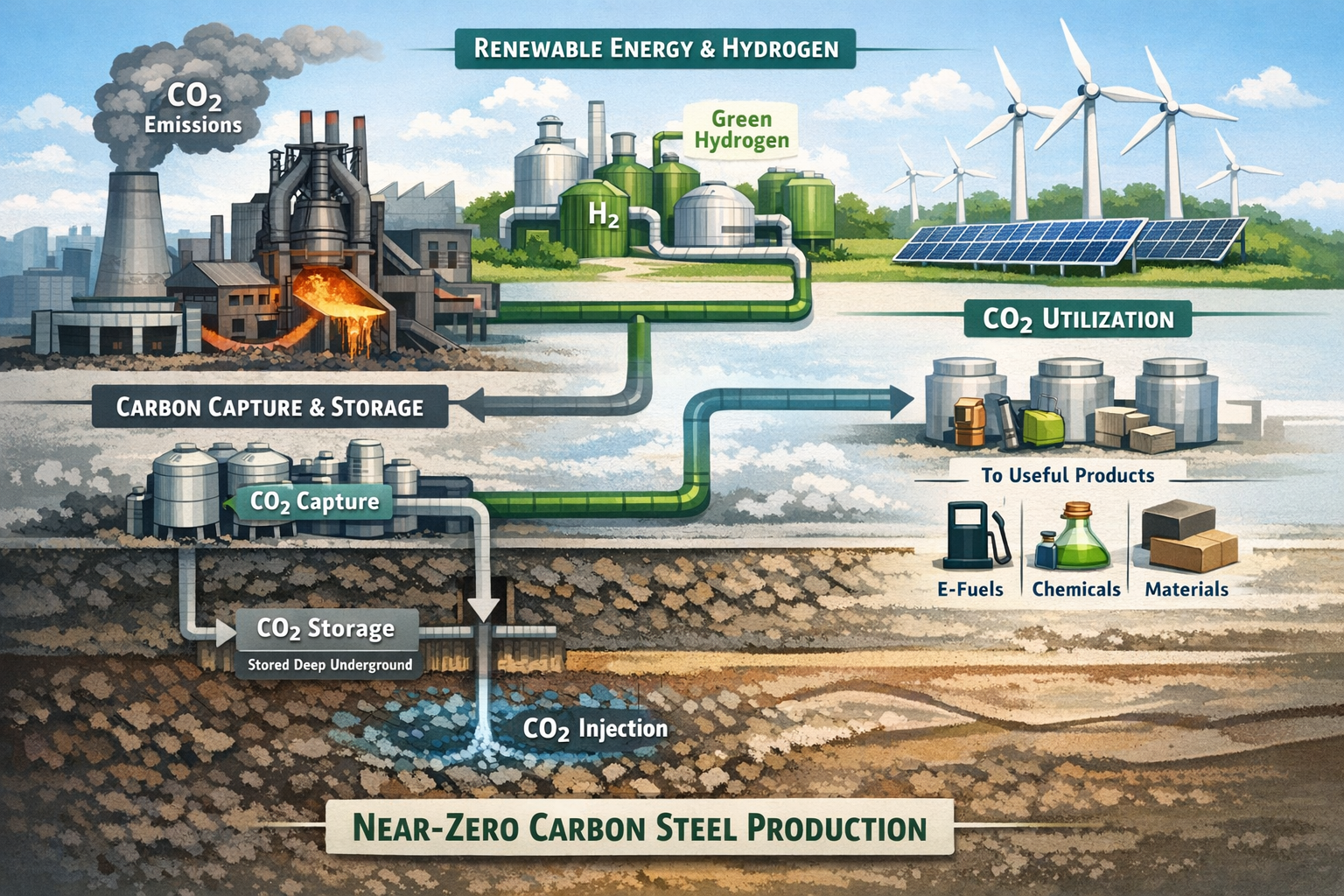
CCUS technologies capture carbon dioxide emissions produced in steel production and store them underground or convert them into useful products. That doesn't mean this process is completely emission-free, but it considerably reduces the environmental impact of traditional steelmaking. CCUS can be combined with renewable energy and hydrogen-based techniques to achieve near-zero carbon production of steel.
Benefits of Green Steel
Reduced Carbon Footprint
The most important benefit offered by green steel is that it has lower greenhouse gas emissions. The use of green steel in place of coal and fossil fuels powered by renewable energy and hydrogen helps mitigate the effects of climate change globally.
Enhanced Sustainability
Green steel supports the recycling of steel in a manner that helps in the transition towards a circular economy. Through the utilization of recycled steel or renewable materials, the consumption of natural resources decreases.
Economic Opportunities
Green steel investment offers avenues for technological development and research, and the creation of jobs through sustainable sectors. The government and the private sector can benefit from developing different skills and infrastructure for the growth of low-carbon steel.
Challenges in Adoption
High Initial Costs
The technology needed for green steel involves higher capital costs with regard to hydrogen plants, electric arc furnace steel production, and CCUS technologies. Though the operational costs will eventually reduce, the initial costs may pose a challenge for steel manufacturers.
Infrastructure Limitations
It is also important to note that the scaling of renewable energy and hydrogen value chains could pose challenges to such projects. Infrastructure and energy grids need to support the implementation of clean steel production.
Regulatory Hurdles
Lack of uniform environmental policies can hamper the growth of green steel. The government has to develop stimuli for producers to switch to green technology.
Global Initiatives and Policies
Nations across the world are supporting green steel production in this manner:
European Union Green Deal: Support for reducing carbon emissions from steel production industries.
India’s National Hydrogen Mission: It aims to facilitate the use of hydrogen-based technologies for the industrial transition to low carbon
International collaborations between governments and steel makers are pushing the development of low-carbon steel technology.
Such efforts typify a commitment to making the world a more sustainable place regarding steel production practices.
Future Outlook
The future of green steel indeed looks bright. Continuing research and development are being directed towards increasing efficiency, reducing production costs, and making hydrogen more available. Green steel could be mainstream in less than twenty years, with growing demand for sustainable materials and carbon-neutral construction. Economies of scale will make green steel competitive as the technology matures, allowing a low-carbon steel industry to come into existence.
Conclusion
From the above discusion we conclude that Green steel is a revolutionary shift in the steel sector that allows for the achievement of low-carbon emissions, the responsible use of resources, and economic development. The adoption of green steel is essential in the achievement of the sustainability agenda at the global level. This is because green steel promotes the circular economy.
FAQs
How does green steel differ from traditional steel?
Green steel production is made by using renewable energy, hydrogen, and recycling, producing carbon emissions that are lower by a considerable margin when compared to conventional production that involves coal as a fuel.
What are the environmental benefits of using green steel?
Green steel lowers the emission of greenhouse gases, helps in the conservation of resources, and enables the reuse of materials through the circular economy
Which countries are leading in green steel production?
Nations such as Sweden, Germany, and India are leading in hydrogen-based, renewable-powered steelmaking.
What technologies are used in the production of green steel?
Some of these technologies in ironmaking processes are hydrogen reduction, Electric Arc Furnaces, and Carbon Capture, Utilization, and Storage.
How can consumers contribute to the adoption of green steel?
Consumers can support sustainable industries by choosing products made from green steel, advocating for eco-friendly policies, and encouraging industrial decarbonization.