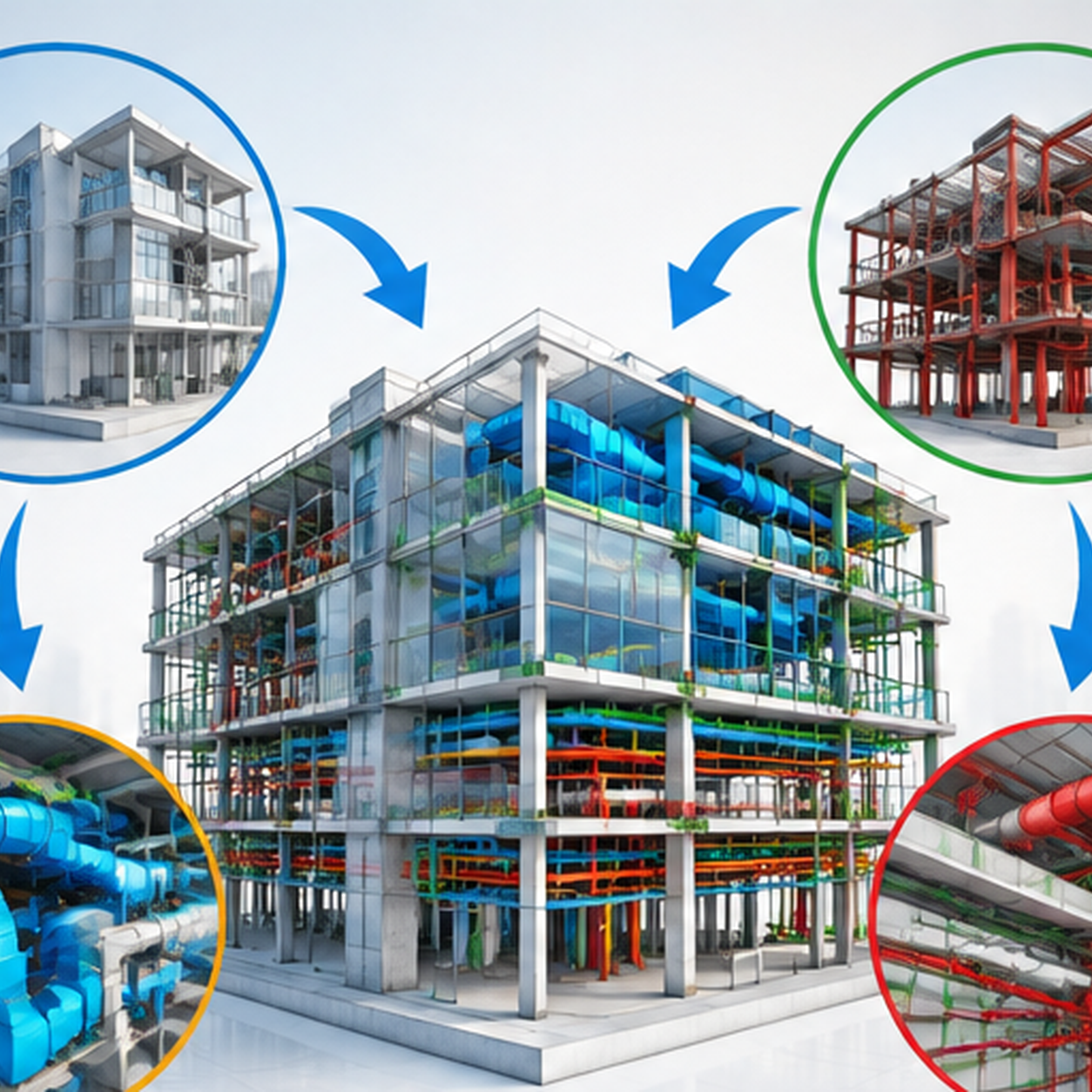
.jpg)

Building Information Modeling (BIM) has completely transformed the way structural engineers design, analyze, and deliver projects. In the past, structural engineering was based on 2D drawings, coordination, and calculations that were prone to inconsistencies between design and construction. Currently, BIM brings a new paradigm of data management and model-based collaboration that integrates geometry, engineering, and lifecycle information in a single collaborative space.
For civil and structural engineers, BIM has evolved from a visualization tool to a decision-support system. From conceptual design to manufacturing and facility management, BIM allows engineers to analyze the behavior of structures, coordinate with multidisciplinary teams, and mitigate risks before actual construction takes place.
With the rising complexity of infrastructure and the pressing need for shorter project timelines, the use of BIM in contemporary construction practices is gaining momentum rapidly. This is because governments, developers, and consulting engineers are increasingly mandating the use of BIM.
Understanding BIM for Structural Engineering
BIM in structural engineering is the creation of intelligent digital models that not only show structural elements but also their attributes. Unlike conventional drafting, BIM is the integration of geometry, materials, loads, specifications, and performance in a single system.
Engineers not only create perfect drawings but also a coordinated model that automatically produces plans, sections, schedules, and quantities.
Core functions of BIM that help projects
- 3D Structural Modeling: Smart modeling of beams, slabs, columns, foundations, and rebar.
- Data Management: Embedded data such as material types, load values, and construction sequences.
- Lifecycle Coordination: Enabling design, construction, and operation processes.
Comparison of BIM vs Traditional CAD Method

Conclusion: CAD is document-based, whereas BIM is information-based.
Key Components of BIM in Structural Design
Structural BIM models are made up of interrelated elements that respond like real-world systems.
1. Structural Modeling Elements
- Columns and Load-Bearing Walls
- Beams and Girders
- Floor Slabs and Decks
- Foundations and Retaining Structures
- Reinforcement Detailing
Each element has parameters like size, strength, and construction information.
2. Integration of Materials and Load Information
The BIM model integrates the following:
- Concrete strength and steel properties
- Load combinations
- Seismic and wind actions
- Deflection and stress requirements
The integration of materials and load information enables engineers to check the structural performance of a building within the digital environment.
3. Software Interoperability
Contemporary BIM processes are based on the concept of interoperability between platforms that are developed by companies like Autodesk, Trimble, Bentley Systems, and Computers and Structures Inc. Structural models developed using authoring tools can be seamlessly integrated with analysis and detailing software.
Importance for Civil and Structural Engineers
For engineers, BIM enables a paradigm shift in their working processes from a reactive mode of problem-solving to a proactive mode of coordination.
- Precision and Clash Detection
The structural model can be analyzed against the architectural and MEP models to detect clashes prior to site work.
- Real-Time Collaboration
The architects, structural engineers, and MEP consultants work on coordinated models, ensuring consistency among the models.
- Reduction in Errors and Repairs
The automatic updates in the drawings eliminate inconsistencies in the documents.
Benefits of Using BIM in Structural Engineering
BIM for structural engineering improves project efficiency by enabling teams to work on coordinated 3D models that streamline design and documentation workflows. It enhances accuracy by identifying structural conflicts early and ensuring precise detailing across disciplines. This integrated approach also supports better cost control by reducing rework, material waste, and construction delays.
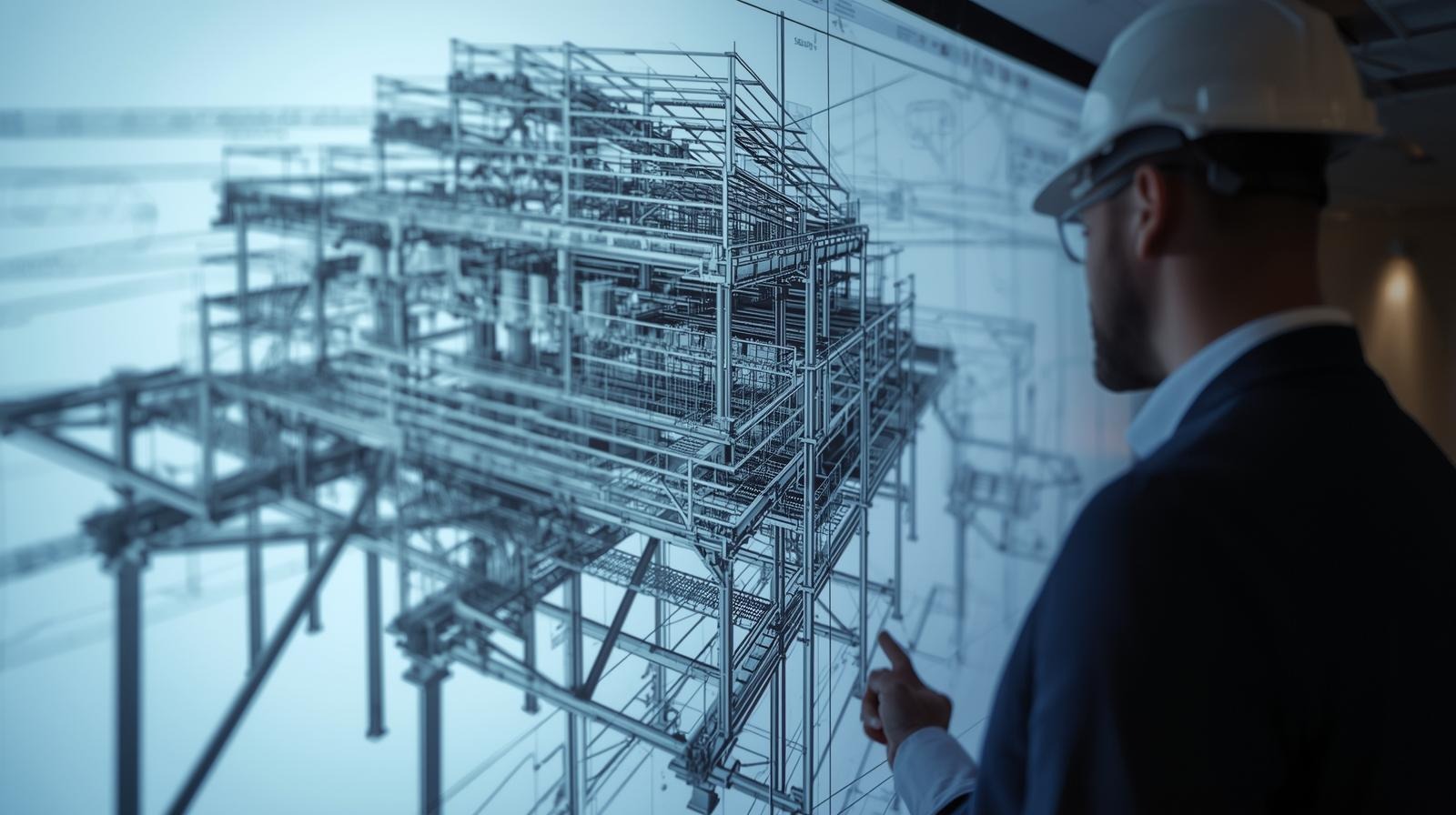
1. Enhanced Design Accuracy and Visualisation
Three-dimensional visualization enables engineers to:
- Understand the behavior of structures in space
- Check the paths of loads and the integrity of structures
- Identify inconsistencies in models at an early stage
Engineers and other parties can analyze structures in a virtual environment, reducing errors in interpretation, which are common in 2D drawings.
Simulation software can also be used to assess constructability and ensure that structures are feasible and safe before they are constructed.
2. Improved Collaboration and Data Management
BIM brings in a common data environment where all parties have access to the updated information.
Key Benefits
- Fewer conflicts with versions in centralized models.
- Real-time updates enhance communication.
- Cloud collaboration helps in team collaboration when teams are geographically dispersed.
3. Time and Cost Efficiency
BIM directly impacts project efficiency through automation and predictive planning.
- Automated quantity takeoffs eliminate human estimation errors.
- 4D BIM links project scheduling with construction sequencing.
- 5D BIM links cost information with model objects.
Material management and accurate forecasting eliminate waste and cost overruns.
BIM in Structural Design Workflow
BIM in Structural Design Workflow integrates the entire project lifecycle, from conceptual design to construction, through a coordinated digital model. It supports accurate structural detailing, enables efficient analysis, and seamlessly connects design data with fabrication processes. This integrated workflow improves coordination during construction, reducing errors and ensuring smoother project delivery.
Lets discuss the workflow below:
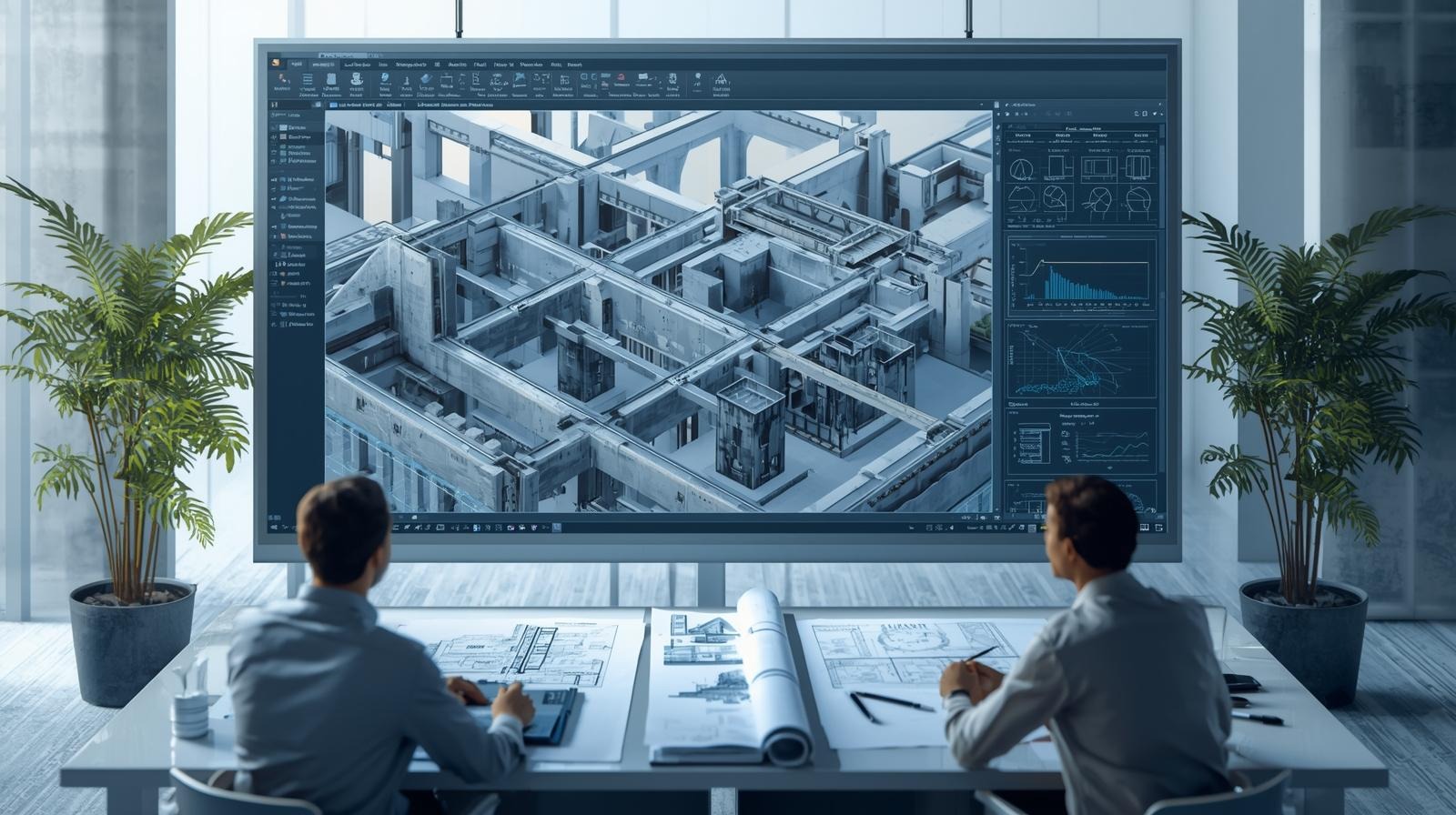
1. Conceptual and Preliminary Design
In the initial phases, engineers rely on BIM models to assess:
- Structural arrangements
- Span feasibility
- Concepts of load distribution
Parametric modeling allows for quick design changes, making it possible to test various solutions effectively before the model reaches the site for execution.
2. Structural Analysis and Detailing
The BIM models can be integrated with structural analysis software for calculations.
The engineers export the analysis model to software such as ETABS and STAAD.Pro for:
- Load analysis
- Seismic analysis
- Optimization of the structure
The detailed drawings and reinforcement details are also generated automatically from the analysis model.
3. Construction and Fabrication Integration
One of the major strengths of BIM is its ability to connect design and construction.
- Fabricators are able to generate accurate shop drawings from models.
- Reinforcement detailing enhances prefabrication accuracy.
- Clash detection eliminates site conflicts.
Construction simulations assist in understanding construction sequences and safety aspects before actual construction.
Applications of BIM for Civil and Structural Engineers
BIM for civil and structural engineers is widely used across projects such as buildings, bridges, infrastructure corridors, and industrial facilities to improve design accuracy and coordination. It enables engineers to develop intelligent 3D models that support structural analysis, detailing, and multidisciplinary collaboration. By working within a shared BIM environment, civil and structural teams can coordinate more efficiently with architects, MEP engineers, and contractors throughout the project lifecycle.
1. Infrastructure and Bridge Projects
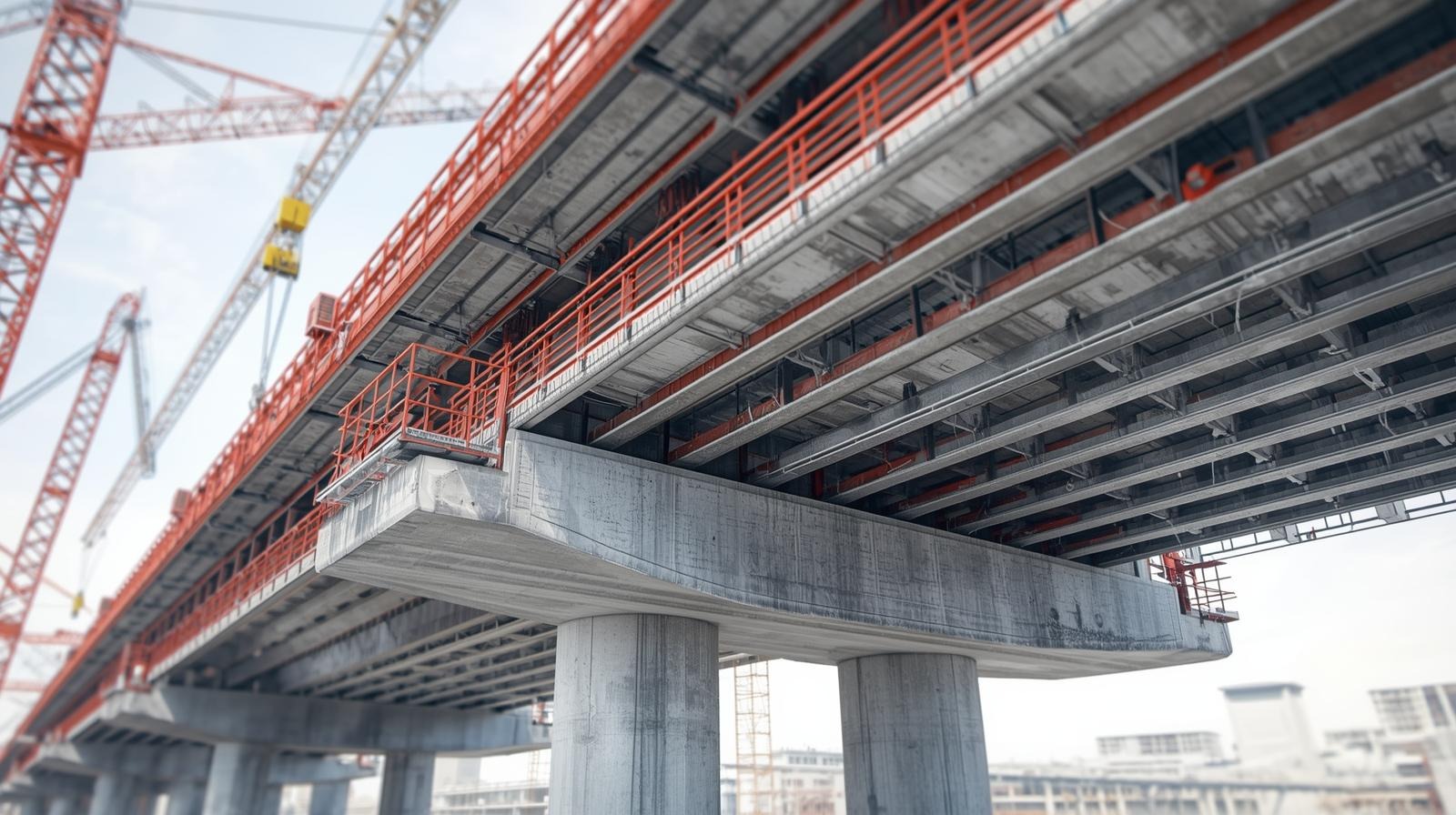
Infrastructure projects have complex geometries and environmental factors.
BIM facilitates:
- Modeling of curved bridge alignment
- Integration with GIS and terrain data
- Coordination with geotechnical data
Engineers can analyze the structural performance of the bridge under different environmental conditions to eliminate any issues.
2. High-Rise and Industrial Buildings

Tall buildings involve coordination between structural systems and services.
BIM assists in the management of:
- Hybrid steel and concrete structures
- Heavy industrial structures
- Vertical transportation coordination
In high-rise buildings, structural sequencing simulations assist in efficient construction planning to ensure every element is placed properly.
Challenges in Implementing BIM Structural Engineering
Implementing BIM in structural engineering can present challenges such as software compatibility between platforms, complex data management, and the need for specialized training. Many firms also face difficulties in maintaining consistent modeling standards across multidisciplinary teams. These challenges can be addressed by establishing clear BIM standards, adopting structured workflows, and investing in continuous team training and collaboration protocols.
1. Data Interoperability Problems
Software platforms can have different interpretations of data in models, resulting in loss of data during transfer.
Use of open standards such as Industry Foundation Classes (IFC), which is promoted by organizations such as the International Organization for Standardization, can reduce interoperability problems and ensure that data is usable in the long term.
2. Training and Adaptation
Adapting to new workflows demands training. The following are common hurdles that need to be overcome:
- Learning curve associated with BIM software
- Resistance to change in workflows
- Standardization of processes
Organizations can overcome these hurdles using BIM Execution Plans (BEPs).
Future of BIM in Structural Engineering

The "next evolution of BIM" is moving and has already taken place slowly but steadily from modeling to intelligent and predictive engineering environments.
The future of BIM in structural engineering is being shaped by emerging technologies such as AI-driven design, digital twins, and generative design tools that enable smarter and faster decision-making. These advancements allow engineers to simulate performance, optimize structural systems, and manage assets throughout their lifecycle. Future-ready BIM workflows will also play a key role in designing more sustainable, resilient, and data-driven structures.
Integration with AI and Automation
Artificial intelligence is adding new capabilities to BIM in the following areas:
- Predictive structural analysis
- Automated clash resolution
- Generative design optimization
AI-integrated BIM solutions have the ability to analyze thousands of design options, assisting engineers in making better and safer design choices.
Sustainability and Lifecycle Management
Sustainability needs are fueling the adoption of BIM worldwide.
BIM enables:
- Carbon footprint analysis
- Material lifecycle analysis
- Energy-efficient structural systems
Digital twins, or "live digital twins of buildings," allow for long-term monitoring and maintenance planning, increasing the life of buildings while minimizing operational expenses.
Conclusion
BIM has revolutionized the field of structural engineering from a document-driven profession to a collaborative and data-intensive process. By combining modeling, analysis, coordination, and lifecycle information, BIM enables civil and structural engineers to provide safer, more efficient, and sustainable structures.
Right from conceptual planning to construction and management of facilities, BIM enhances accuracy, reduces risks, and promotes collaboration among project participants. As the digital construction industry continues to advance, the need to adopt BIM is no longer a choice but a necessity for companies that aim to gain a competitive edge.
For civil and structural engineers, adopting BIM means shifting towards intelligent design decisions, predictable construction performance, and sustainable asset value.
Visit our Structural BIM Services page for worldwide construction project implementation support.
FAQs
What is BIM in structural engineering?
BIM in structural engineering is the creation of intelligent 3D models that combine structural geometry, materials, analysis results, and construction data in a coordinated digital space.
How does BIM benefit civil and structural engineers?
It enhances design accuracy, clash detection, and collaboration for civil and structural engineers; results in minimized rework; and facilitates cost and schedule optimization.
What software is commonly used for BIM structural design?
The common software used for BIM structural design includes Advanced Revit, Tekla Structures, Bentley software, ETABS, and STAAD.Pro, which assists in merging modeling & structural analysis to increase productivity.
Is BIM suitable for small-scale structural projects?
Yes. Even small-scale projects can benefit from better coordination, automated documentation, and fewer design errors.
How is BIM changing the future of structural engineering?
BIM is developing along the lines of AI, digital twins, and sustainability analysis, which will allow predictive engineering and lifecycle management of projects.