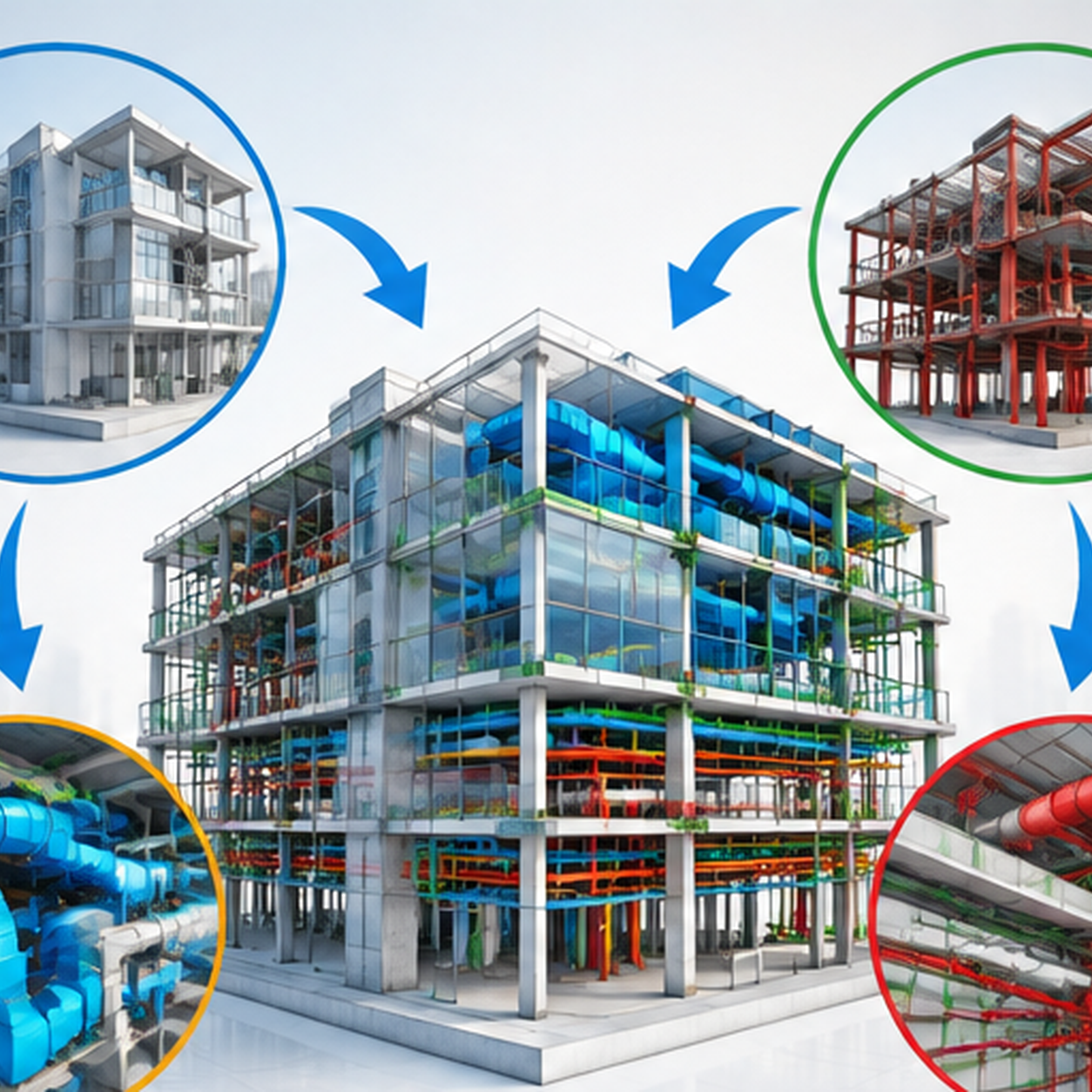
.jpg)

An architectural construction drawing is the mainstay of any successful construction project. It interprets the conceptual ideas of the architects into specific and executable formats that help contractors, engineers, and all parties involved in the construction process.
A construction drawing, as a part of the entire architectural plan, helps contractors and engineers understand the entire scope of the construction plan. It helps them understand the spatial layout, the type of construction materials, and the dimensions of the construction plan.
While construction drawings are important for conveying the construction plan, there are a number of other aspects that are important. In today’s complex construction environment, where multidisciplinary coordination and regulatory compliance are the norms, avoiding construction plan drawing mistakes is not a choice but a necessity.
This blog will discuss the important aspects of architectural drawings, the significance of construction plan drawing compliance, construction drawing mistakes, and how to avoid them.
What Are Architectural Construction Drawings?
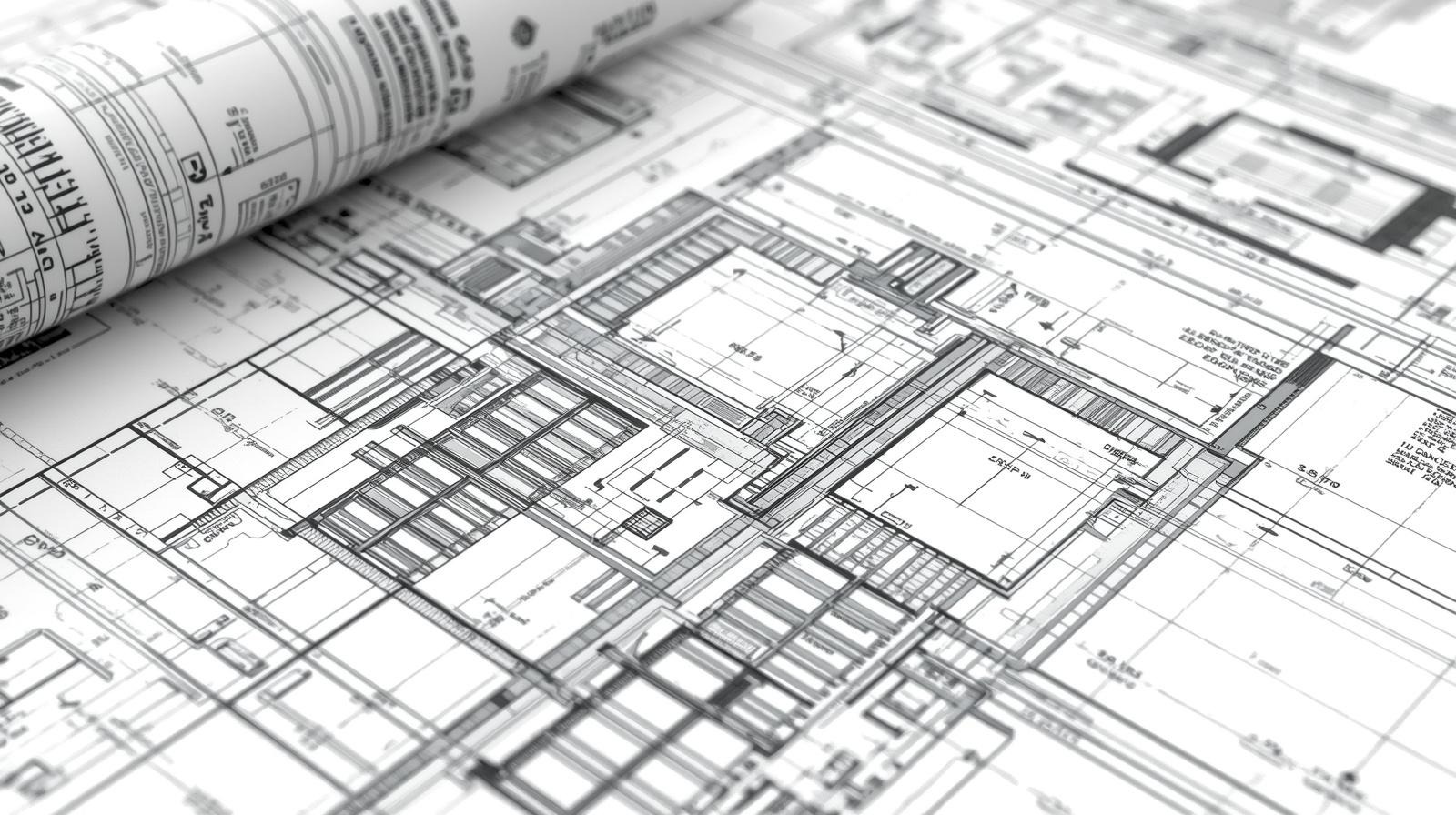
Architectural construction drawings are precise technical documents used in drawing construction plans that correctly represent how a building ought to be constructed. This guarantees that all individuals understand the design intent behind the construction.
Key Components of Architectural Drawings
Architectural construction drawings consist of the following components:
- Floor Plans
Architectural construction drawings that include floor plans illustrate how spaces, walls, doors, windows, etc., will be laid out in a building. Floor plans give a bird’s-eye view of how the building will be laid out.
- Elevations
Architectural construction drawings that include elevations illustrate how the building will be laid out on the exterior. This includes how the building’s exterior will be designed.
- Sections
Architectural construction drawings that include sections illustrate how components of the building will be laid out internally. This also includes illustrations of vertical components of the building.
- Detailed Drawings
Architectural construction drawings that include detailed drawings illustrate components of the building, e.g., how the staircase will be laid out, how the walls will be constructed, etc.
Purpose and Role
The following drawings are intended to fulfill several purposes:
- Communicating the design intent to contractors and engineers
- Assisting in cost estimation and project planning
- Securing approval from various authorities
- Ensuring proper execution of the project
Without proper preparation of drawings, it is possible for good design ideas to go awry during execution.
Importance of Regulatory Compliance in Drawings
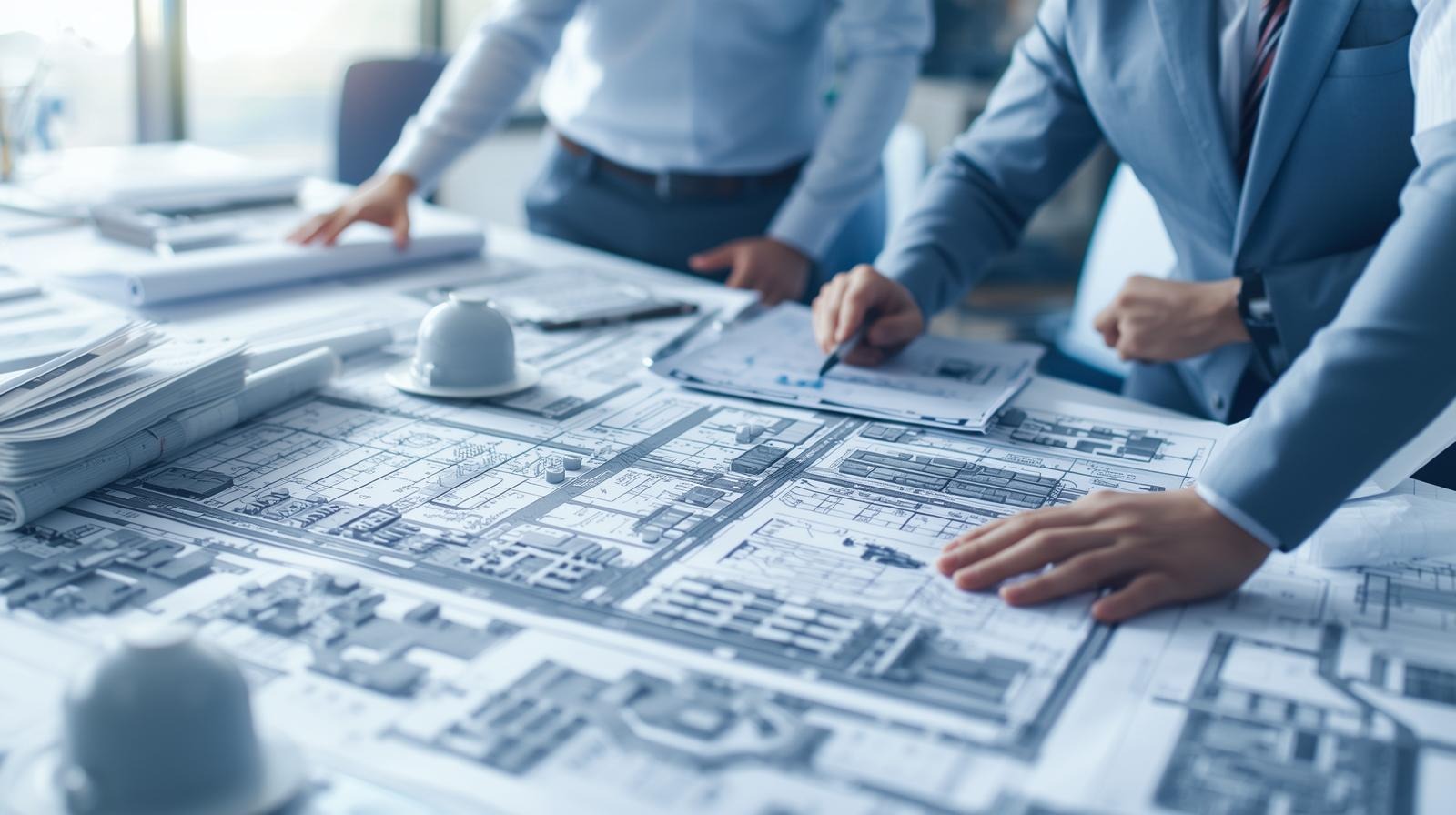
Regulatory compliance entails the process of ensuring that all construction drawings comply with the building codes and regulations in the area.
Why Compliance Matters
- Approval and Permits
The authorities demand that construction drawings be compliant before they are issued with building permits.
- Safety Assurance
Regulatory compliance ensures that the building is safe in the event of a fire.
- Legal Protection
Regulatory compliance helps in the prevention of any legal issues that may arise.
- Operational Efficiency
Properly compliant designs enable the construction process to take place with few changes.
Key Areas of Compliance
- Zoning and land use regulations
- Fire safety and egress planning
- Structural and load bearing regulations
- Accessibility regulations (including ramps, exits, and signage)
- Environmental and sustainability regulations
Failure to include these key areas of compliance in your architectural construction drawing has many implications.
Common Mistakes in Architectural Construction Drawings
Even the most experienced professionals are not immune to common mistakes when preparing construction drawings. Recognizing these common pitfalls is critical to achieving accuracy and compliance, which are essential to avoiding costly mistakes in the execution of the project.
1. Inaccurate Dimensions and Scaling
The most critical error in the preparation of construction drawings is the use of inaccurate dimensions and scaling. This is because, although minor, the error could lead to serious problems in the execution of the project.
- The measurements may be misplaced, leading to fabrication and installation problems
- The scaling may be inappropriate, leading to the wrong interpretation of the project's plans
- The error may be minor but could cause serious problems in the execution of the project
The need for precision is non-negotiable in the preparation of the building plan drawing, as accuracy is critical in the execution of the project.
2. Missing or Ambiguous Details
Incomplete or ambiguous details in the drawing do not offer the level of detail required for the smooth execution of the project.
- Confusion in missing annotations and symbols
- Lack of specifications in materials
- Lack of specifications in junctions and connections
It is clear that ambiguity in the drawing requires contractors to make interpretations of their own, which is likely to cause more errors in the execution of the project.
3. Ignoring Site Conditions
One of the common mistakes found in architectural documentation is failing to include site conditions in the building plan.
- The topography of the site and its soil composition are not correctly shown in the building plan
- The existing utility conditions are not considered in the building plan
- The environmental conditions are also not considered in the building plan
The building plan drawing may not include site conditions, which may cause problems during its execution. Therefore, it may be modified during construction.
4. Non-Compliance with Building Codes
Non-compliance with building codes is one of the most expensive and time-consuming blunders in construction documentation.
- Improper planning of fire exits and escape routes
- Non-compliance with building codes in regard to staircases, ramps, or accessibility features
- Non-compliance with zoning codes in regard to setbacks or building heights
5. Poor Coordination Between Disciplines
For construction projects, architectural, structural, and MEP systems have to be properly coordinated and integrated with each other. Failure to do so results in significant inefficiencies in the project.
- Conflicts between structural elements and service layouts.
- Overlap of systems leading to problems in their installations.
- Lack of consistency in updates in different sets of drawings.
Poor coordination is one of the main reasons for project delays and inefficiencies, particularly in large projects involving different stakeholders and parties.
How to Ensure Compliance in Your Drawings
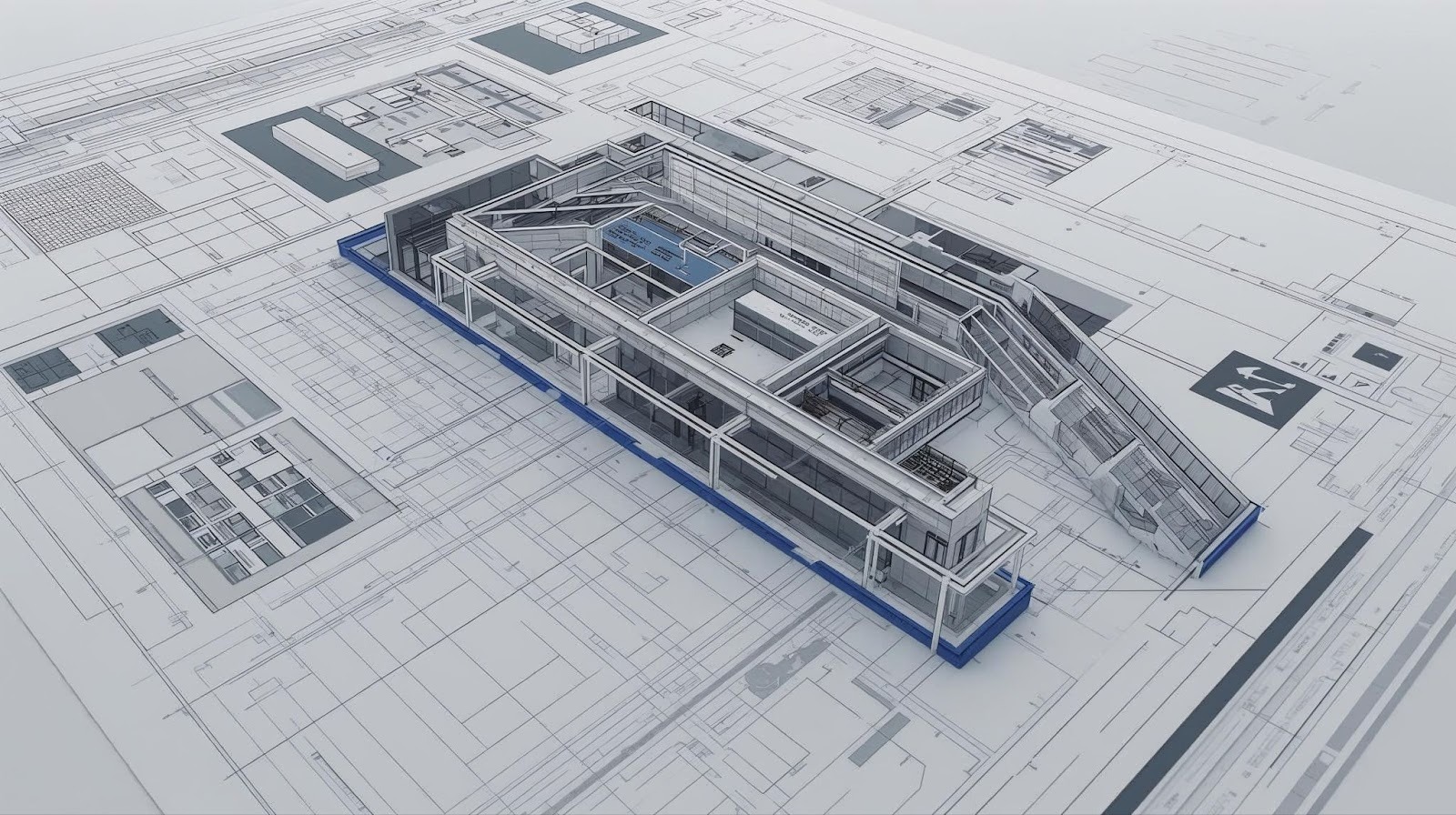
The process of avoiding errors in the architectural construction drawing is complex and requires a structured, proactive, and detailed approach. Starting from the regulations to the use of technology, every aspect of the drawing process must be aligned with the regulations to ensure the process is executed smoothly.
1. Study Local Building Codes and Standards
Building codes differ in various regions. Therefore, it is important that you stay up-to-date with building codes and standards in your region before you embark on your building plan drawing project.
- Review local building codes, zoning laws, and safety standards at the outset of your project
- Integrate compliance requirements into your design from the outset
- Continuously review or update building codes or standards during your project lifecycle
Having good knowledge of building codes will ensure that your building plan drawing is compliant with local building codes.
2. Use Standardized Drawing Conventions
Documentation consistency is important in preventing any form of misunderstanding and ensuring proper communication among all parties involved in a project.
- Use industry-standard symbols, line types, and notations
- Use consistent scales, units, and formats for all drawings
- Use clear and concise labeling, legends, and annotation schemes
Standardized drawings are important as they are easier to read and understand for all parties, from the designer to the contractor.
3. Collaborate Early with Engineers and Consultants
Interdisciplinary collaboration is the key to avoiding conflicts and achieving coordination in the outputs of the designs.
- Align architectural, structural, and MEP systems in the early stages of the design
- Interdisciplinary coordination meetings and design reviews
- Addressing conflicts during design development rather than in the field
Early collaboration helps in avoiding conflicts and improving the overall efficiency of the project.
4. Conduct Regular Quality Checks
Quality assurance is not something that is done at the end of drawing development. It is something that is done throughout the drawing development process.
- Internal reviews at every milestone in the design process
- Cross-checks on dimensions, annotations, code compliance, etc.
- Using structured checklists for quality checks
Regular quality checks ensure that there is accuracy in the construction plans that we develop.
5. Utilize BIM and Digital Tools
Advanced digital tools, such as BIM, have revolutionized the process of creating construction drawings and validating them.
- Enable automated clash detection for all disciplines
- Maintain a coordinated model for all stakeholders
- Track all requirements and changes in real-time
Using BIM can improve accuracy, increase coordination, and make sure that all architectural construction drawings are data-driven, consistent, and compliant with regulations.
Role of BIM in Avoiding Drawing Mistakes
Building Information Modeling (BIM) is a revolutionary technology that has transformed the process of creating architectural construction drawings.
Key Benefits of BIM
1. Clash Detection
BIM enables clash detection among architectural, structural, and MEP components during the construction process.
2. Improved Coordination
All stakeholders work on a single model, which provides consistency in construction drawings.
3. Accurate Documentation
Using BIM, construction drawings are created using accurate data.
4. Compliance Tracking
Using BIM, compliance with building codes is also possible.
5. Real-Time Updates
Using BIM, any changes in the model get updated in all construction drawings in real time.
For BIM-centric organizations, this guarantees that all architectural construction drawings created using BIM are accurate, coordinated, and compliant.
Compliance Checklist for Architects

Before finalizing any architectural construction drawing, it is of utmost importance to adhere to a checklist in order to ensure accuracy, coordination, and compliance with regulations.
Here is the following checklist for architects:
- Accurate Dimensions and Scaling - Check if all dimensions, scaling, and proportions are accurate and consistent in drawings.
- Clear Labels and Annotations - Check if all elements are properly annotated and labeled in an appropriate manner.
- Updated Building Code References - Check if drawings comply with the latest applicable building codes and regulations.
- Coordinated Multidisciplinary Layouts - Check if architectural, structural, and MEP drawings are coordinated and consistent with each other.
- Verified Site Conditions - Check if the building plan drawing reflects accurate site constraints and existing utilities.
- Fire Safety and Accessibility Compliance - Check if fire safety and accessibility norms are incorporated in drawings.
- Material Specifications and Documentation - Check if material specifications and documentation are provided in an unambiguous manner.
- Revision and Version Control - Check if drawings are up-to-date and proper documentation is maintained for version control.
Conclusion
Architectural construction drawings are essential to guarantee accurate construction execution and compliance with regulations. It should be noted that any minor error in an architectural construction drawing could cause significant issues, including construction delays, construction mistakes, and issues with approvals.
For most construction projects, issues such as poor coordination, missing information, and non-compliance issues are common causes of construction drawing mistakes. These issues can be resolved through the use of appropriate technologies, workflows, and expertise.
Techture is a world-class VDC & BIM service provider firm that bridges the gap in construction drawing mistakes by using BIM technologies to provide accurate, coordinated, and compliant building plan drawings. By using such an approach, construction drawing mistakes can be minimized.
The use of a proactive approach with the aid of technologies can guarantee accurate construction drawings, which can be used for approvals, considering the construction needs of the real world.
FAQs
What are the essential components of an architectural construction drawing?
The fundamental parts of the drawing comprise the floor plans, elevations, sections, details, and schedules. The above-mentioned parts of the drawing give a comprehensive description of the building’s design and construction requirements.
How can I ensure my drawings meet regulatory standards?
One needs to comply with the regulations by studying the building code requirements and conducting quality checks. BIM software helps in complying with the regulations.
What are the most frequent construction drawing mistakes?
The most common mistakes in construction drawings comprise inaccurate dimensioning, lack of details, ignoring the construction site conditions, and non-compliance with the regulations.
How does BIM help maintain drawing accuracy?
BIM improves accuracy by enabling clash detection, automated documentation, real-time updates, and coordinated workflows across all disciplines.