.jpg)

Contemporary structures are not defined solely by their architectural style or degree of structural integrity. What makes a building work, live, and thrive is, in fact, defined by what is referred to as MEPs, or Mechanical, Electrical, and Plumbing systems. From comfort to electrical supply, as well as water and fire, MEPs represent the core functionality of a construction endeavor.
With the increased sophistication and boom of building projects, traditional ways of carrying out MEP design are increasingly unable to cope with the demands of such projects and their costs. This has created a niche in which Building Information Modeling (BIM) has shown the promise to change the way things are done in the MEP process.
This article will unveil the ways BIM simplifies and streamlines the MEP design process, the benefits of BIM for the MEP coordinated process, and the necessity of the BIM process for buildings today.
Understanding the MEP Design Process
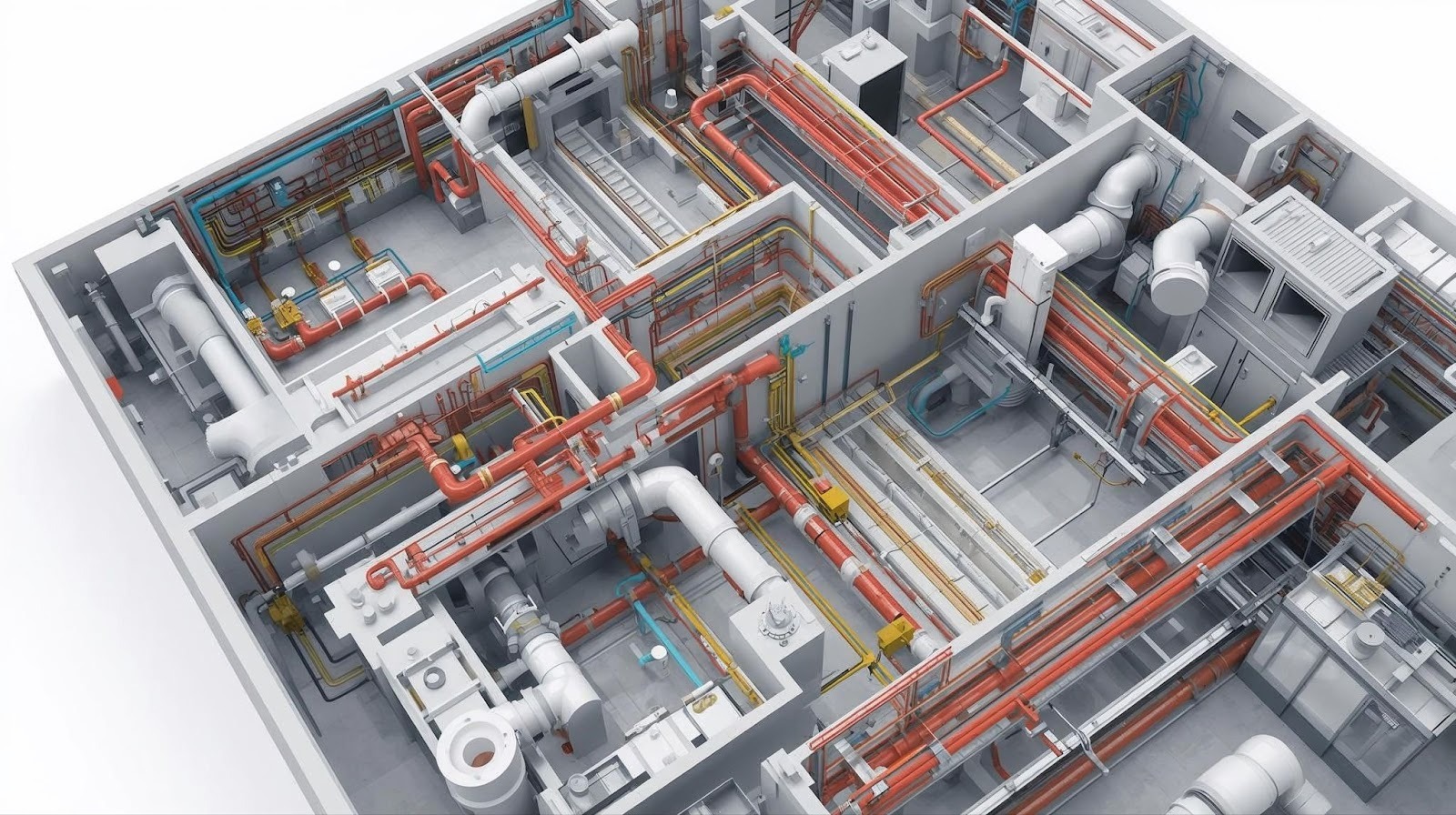
The MEP design process consists of planning, designing, coordinating, and documenting mechanical, electrical, and plumbing systems. This process is done in a way that they can work properly with each other in any building. These systems should be appropriately placed within the architectural space, aligned with the building's structural elements, and efficient in their operation during the entire building life cycle.
Steps involved in a typical MEP design.
- System requirements and layout are specified in the concept and schematic design phase.
- Detailed modeling: Concepts mapped to layouts in detail.
- The coordination process of MEP, resolving system and other discipline conflicts
- Construction documentation, including drawings and schedules, as well as execution
Traditionally, the MEP design involved mainly 2D drawings and isolated process workflows. In most cases, each discipline worked in isolation from the others, which led to disconnects and gaps in the work process.
Some of the main problems are:
- Frequent clashes among ducts, pipes, cable trays, and structures
- Late design changes that necessitate rework and delay
- Difficulty in Visualizing Complex System Layouts
- Inaccurate quantity take-offs and cost overruns
Due to considerable space consumed by these systems, errors in this area are more critical and may implicate the entire building. Hence, the design in this area of a building is one of the riskiest.
Key Components of MEP Design
1. Mechanical systems (HVAC)
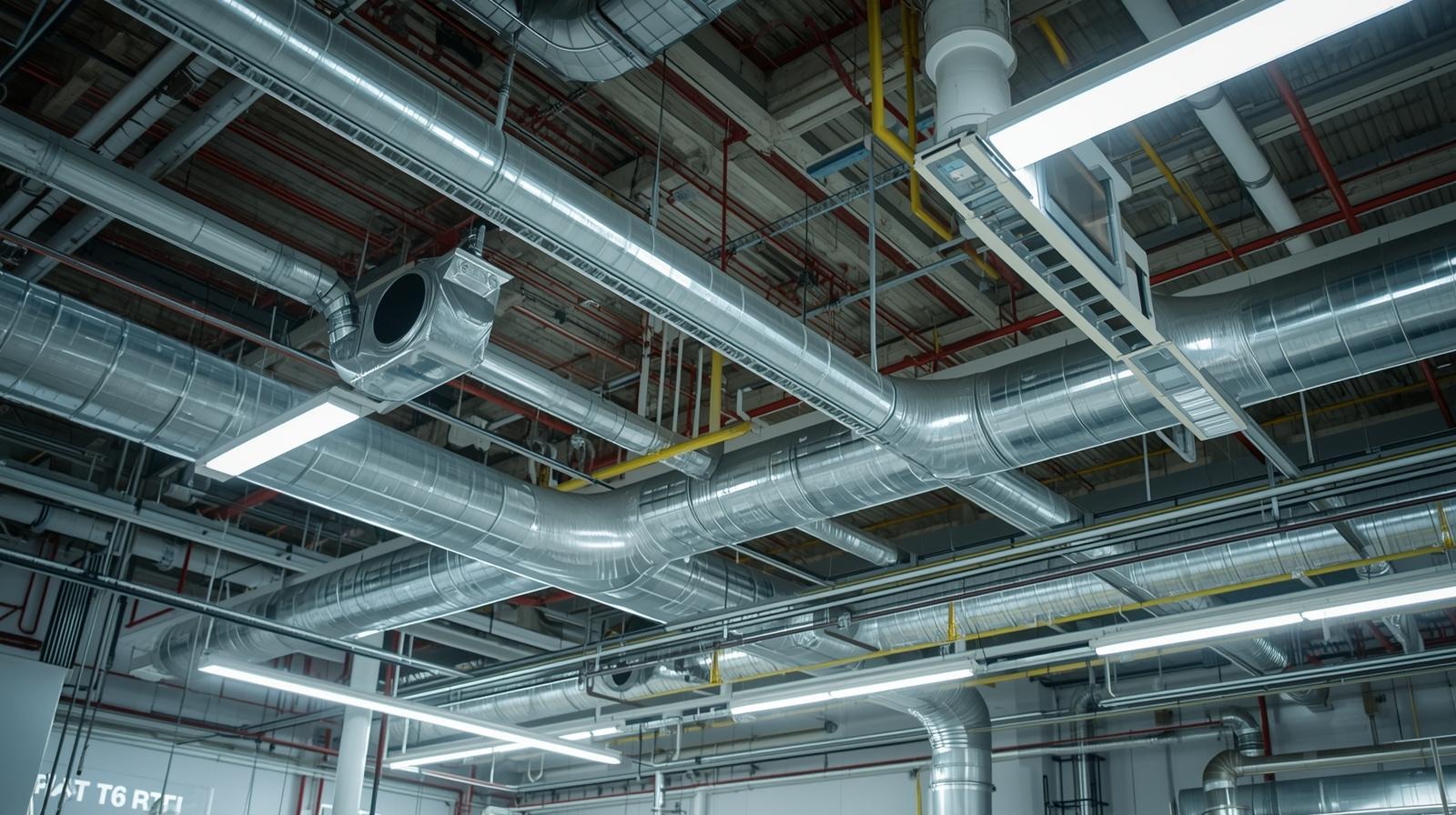
The heating, ventilation, and air conditioning fall under the mechanical system category. These systems ensure comfort in temperature, indoor air quality, and energy efficiency. For the design of HVAC, there needs to be careful space planning, load calculations, and coordination with ceilings and structural zones.
2. Electrical systems (Lighting, Wiring, Power distribution)
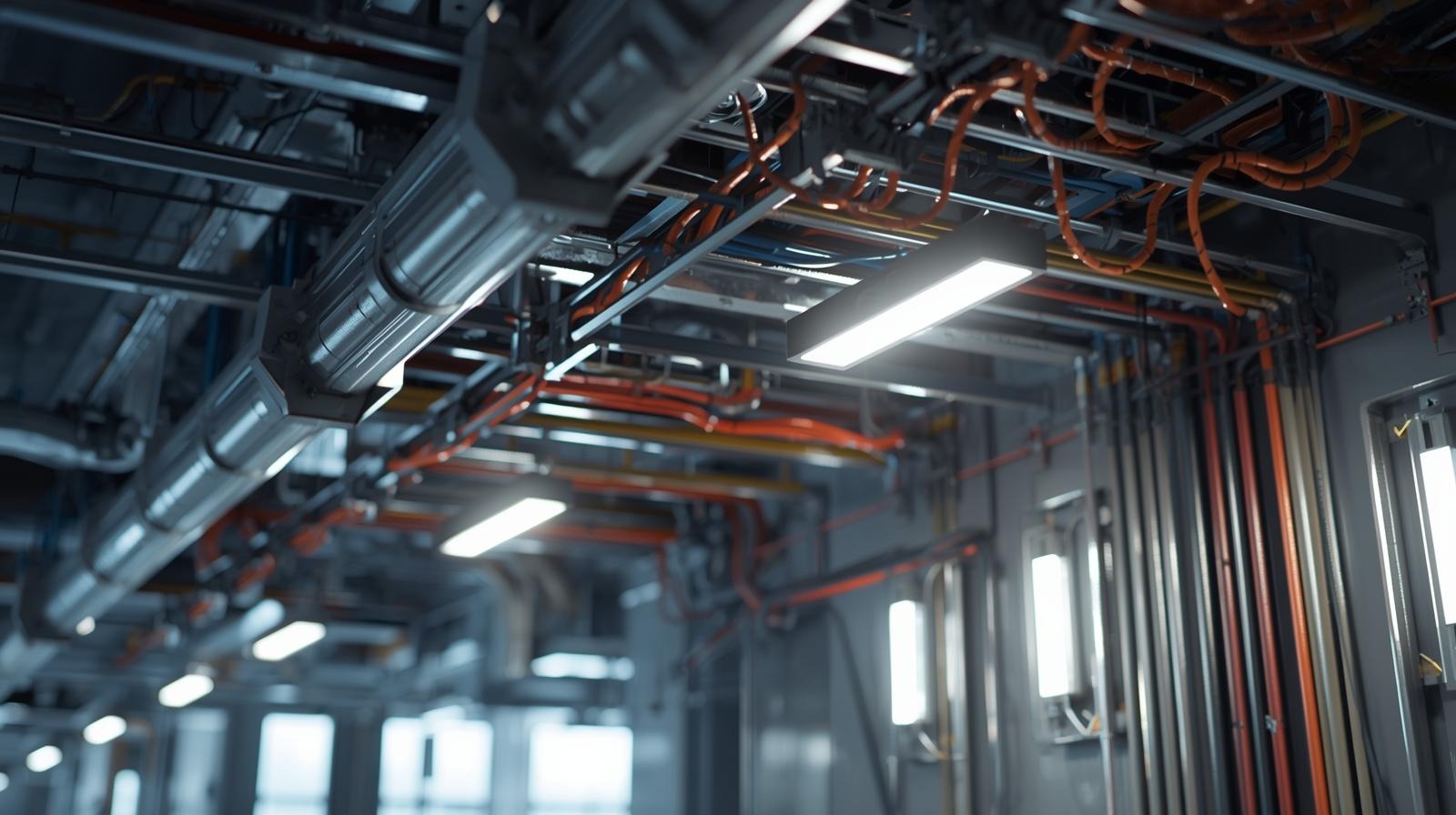
Electrical design encompasses all lighting, power distribution, grounding, emergency systems, and various low-voltage services. The electrical systems must meet the required safety standards while supporting the functional needs and all the operations of the building for better functionality for a long time.
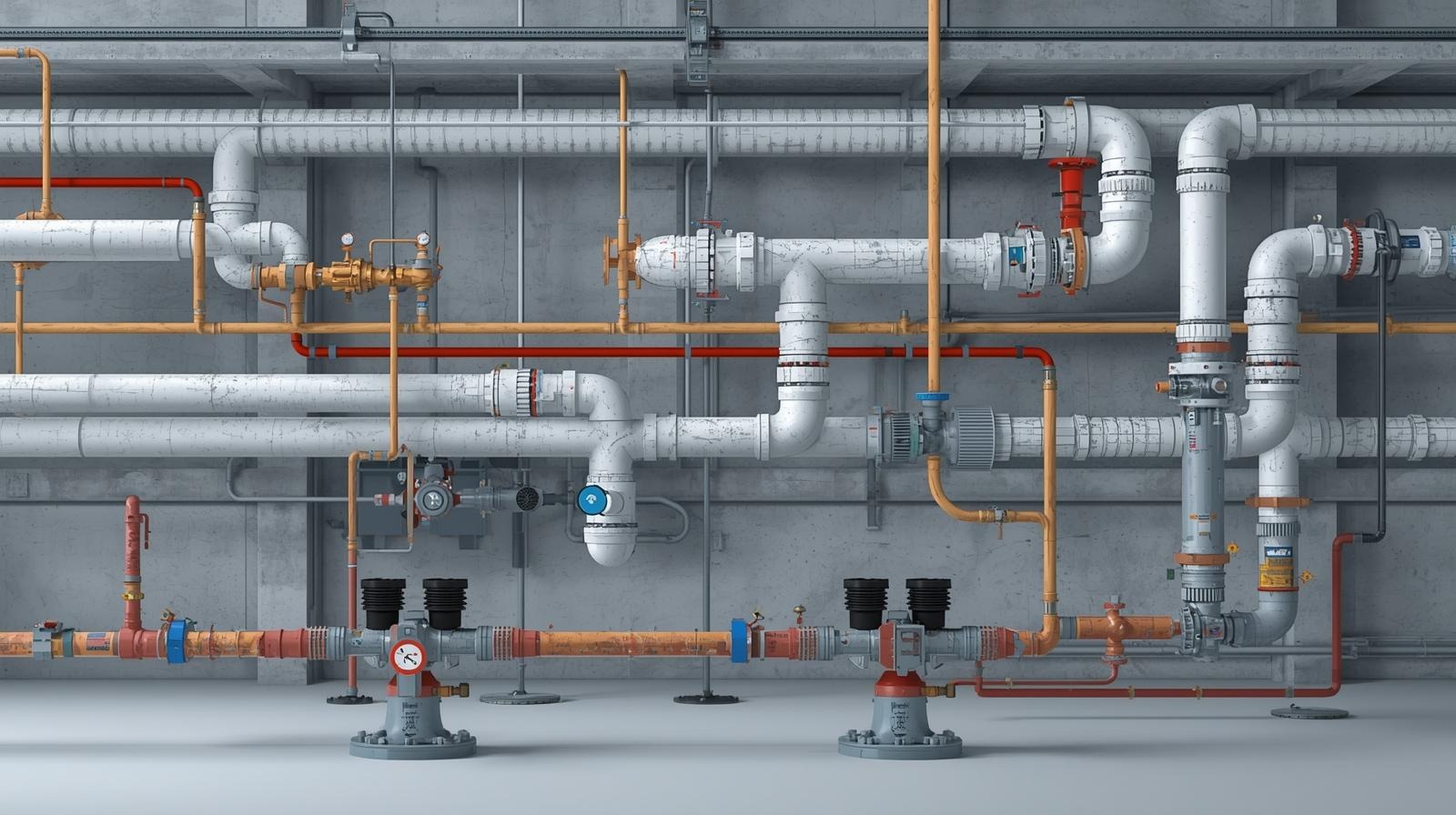
3. Plumbing systems (Water supply, Drainage, Fire protection)
These plumbing systems deal with water supplies, drainage, sewage, stormwater, and fire protection. The plumbing systems require precise and accurate slope control, routing, and integration with all architectural and structural components for better use.
What is BIM and Its Role in MEP Design?
Building Information Modeling (BIM) refers to the digital representation of a building's physical and functional attributes. As opposed to the traditional use of computer-aided design (CAD) drafting, the information present in the design model in BIM includes data about elements such as their size, materials, and capacities.
In terms of BIM and MEP, what this means is that by using BIM, it is now possible to design mechanical, electrical, and plumbing systems through a shared digital space alongside architectural and structural design.
Popular BIM tools for MEP design:
- Autodesk Revit—For MEP modeling and documentation
- Navisworks for Coordination and Clash Detection
- BIM 360 / Autodesk Construction Cloud for collaboration and model management
Moreover, BIM integrates geometry along with other forms of information to help MEP engineers design systems that are not only spatially coordinated but also technically optimized
Benefits of Integrating BIM in MEP Design
a. Improved Coordination Between Disciplines
BIM facilitates real-time collaboration between architectural, structural, and MEP consultants. Changes made in the models will be visible to other consultants.
b. Early Clash Detection and Reduced Rework
Clashes such as ducts, pipes, cable trays, and structural elements can be easily detected through BIM before the actual construction work, as opposed to on-site detection.
c. Time and Cost Efficiency
The result is faster project completion, hence better expenditure. Furthermore, fewer site conflicts and exact quantities imply better expenditure control. Enhanced Design Visualization and Communication 3D BIM models enable stakeholders to better comprehend complex MEP design arrangements.
How BIM Simplifies the MEP Design Process
One of BIM's strong capabilities lies in replacing unconnected work processes and workflows with intelligent, connected ones. Instead of working with multiple documents and their revisions, the workflow can be coordinated.
BIM is beneficial to MEP design by:
- Automating Repetitive Modeling and Documentation
- Enabling real-time collaboration across teams and locations
- Consistency in plans, sections, and schedules
- Reducing Design Conflicts Before Construction Starts
BIM helps by centralizing information that aligns the MEP engineers, architects, and contractors for an efficient execution process.
1. Coordination and Clash Detection
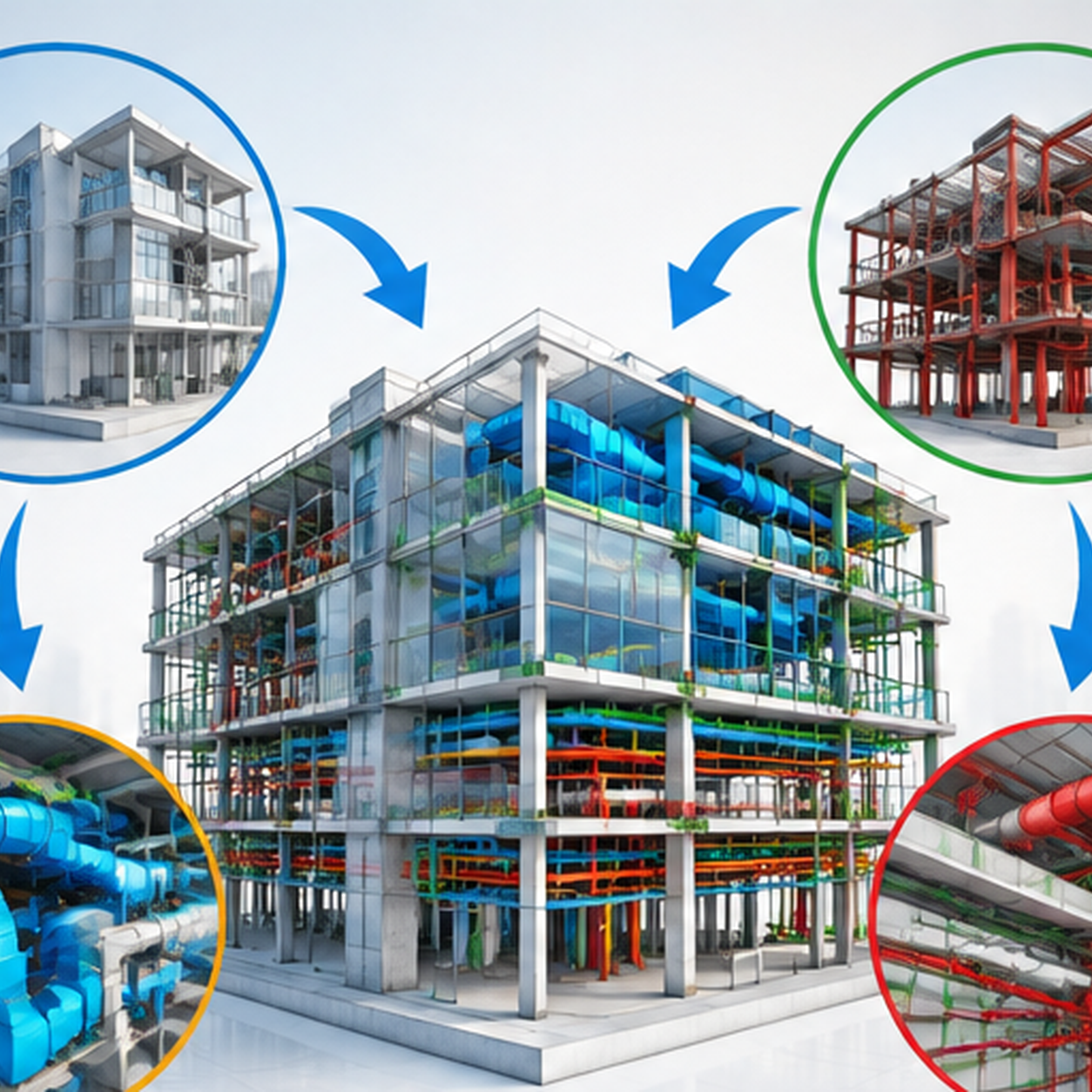
The MEP coordination process is where BIM impacts are felt most strongly. Tools such as Navisworks are used with MEP clashes to check for potential clashes with other building elements. Rather than finding the problem during the course of the installation, the clashes are actually solved in the virtual model before the design is created.
2. Improved Accuracy and Cost Control
Since BIM is a data-driven approach, it enables an exact quantity take-off for ducts, pipes, fittings, cables, and equipment. Moreover, when any change occurs, it automatically impacts the quantities.
It is also anticipated that a level of precision like this will lay the groundwork for more effective budgeting and planning for costs in the future.
Trusted 5D BIM cost estimation services for Improved accuracy & cost control
3. Enhanced Project Visualisation
3D BIM models enable a visual understanding of the MEP systems and how they are incorporated or placed inside the building.
Improved visualization helps eliminate all confusion, reduce approvals, and assist teams in making informed decisions early throughout the project lifecycle.
Streamlining MEP Workflows with BIM Automation
BIM is not just modeling; it also provides a way to automate the MEP design workflow. Modern BIM tools support intelligent system design based on predefined rules and parameters.
Key capabilities for automation include:
- Automated duct and pipe routing can be based on design constraints.
- Complete and integrated load calculation for HVAC and electrical systems
- Automatic generation of drawings, schedules, and annotations
Parametric Modeling for Design Updates
Components in or related to MEP in BIM are parametric. The term parametric means that when something like size, flow rate, or load is altered, everything in that system is amended. With parametric objects in a model, designers can adapt to change very easily.
Benefits of Data‑Driven MEP Design
Use of data-driven BIM models not only promotes design consistency but also eliminates human error for informed decisions. Such models form a solid foundation that facilitates future applications, like construction planning or facilities management, for better use of the resources.
Example – Automated Duct and Pipe Routing
Within a large commercial project, BIM software can automatically route ducts and pipes based on available space, desired clearances, and system rules established within those systems. What used to take several days of very tedious drafting can now take several hours.
Challenges in Implementing BIM for MEP Design
Despite the advantages, challenges are involved in implementing BIM for MEP design:
- Steep learning curve for advanced BIM tools
- Management of large volumes of model data
- Interoperability problems between various software platforms
- Need for standardized workflows and BIM execution plans.
The challenge can be mitigated through specialized BIM services that offer standards, workflow optimization, and integration. Through the use of BIM, organizations can take full advantage of its potential while reducing the risk of adopting the technology.
Future of BIM in MEP Design
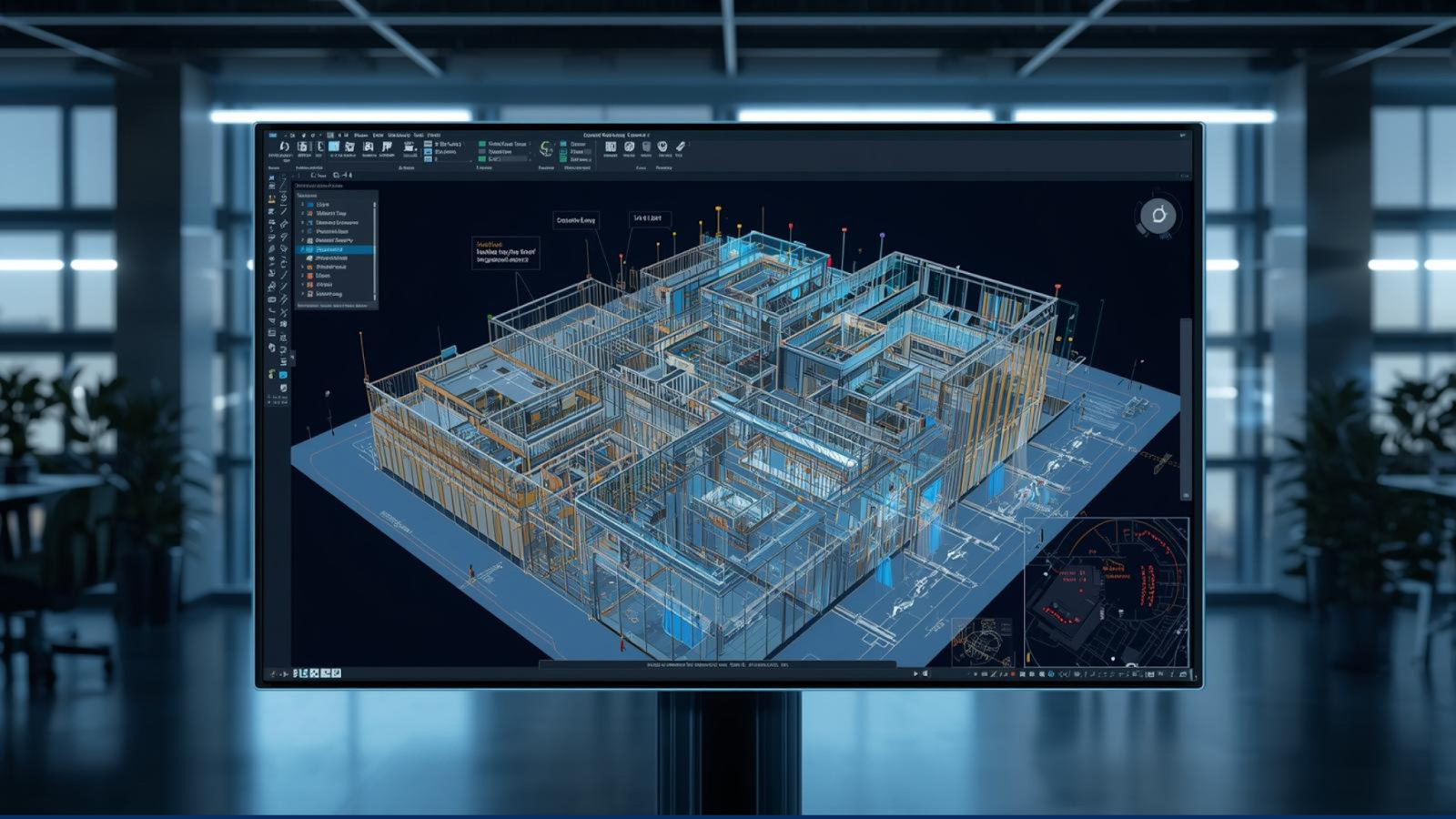
With emerging digital technologies, the future of BIM and MEP is closely linked. Innovations such as artificial intelligence, IoT integration, and cloud‑based collaboration are pushing BIM beyond design into real‑time performance management.
Advanced dimensions of BIM also start to emerge:
- 6D BIM, targeting sustainability and energy performance
- 7D BIM, supports facility management and asset lifecycle tracking.
As buildings get smarter and more data-driven, BIM will also increasingly play a greater role in helping to optimize MEP systems from design through operation.
Conclusion
BIM is significantly altering the planning, coordination, and delivery of the MEP design process in many ways. BIM facilitates the coordination of the MEP system by allowing the design groups to work together on a digital platform.
From early clash detection and auto-routing to precise cost control and enhanced visualization, BIM allows designers to produce better coordinated and more efficient MEP designs. With further evolution in technology, BIM is expected to be at the heart of generating high-performance buildings.
Techture’s BIM support for MEP projects
FAQs
What is BIM in MEP design?
BIM in relation to MEP design involves the use of Building Information Modeling techniques in the design and management of mechanical, electrical, and plumbing installations.
How does BIM improve the MEP design process?
BIM improves the MEP design process through coordination, clash detection, quantification, automation, and real-time collaboration.
Which software tools are used for BIM in MEP design?
Common tools include Autodesk Revit for modeling, Navisworks for coordination, and BIM 360 or Autodesk Construction Cloud for collaboration.
What are the benefits of using BIM for MEP coordination?
Benefits include the minimization of conflicts, less rework required, constructability, cost control, and faster completion of a project.
Is BIM suitable for all types of MEP projects?
Yes, it can be applied to projects of varying scales, whether they are buildings of small scales or involving larger scales, they may be described.