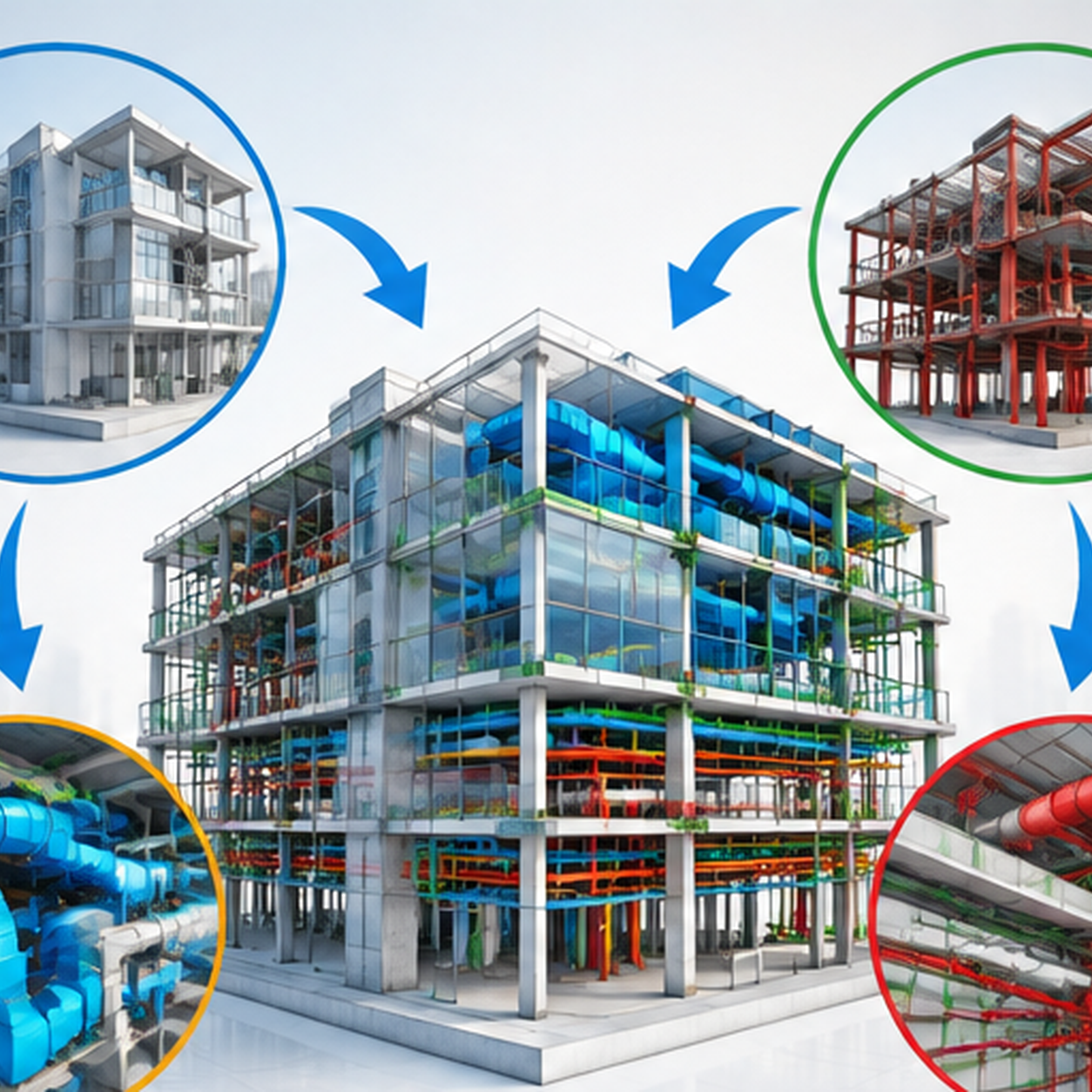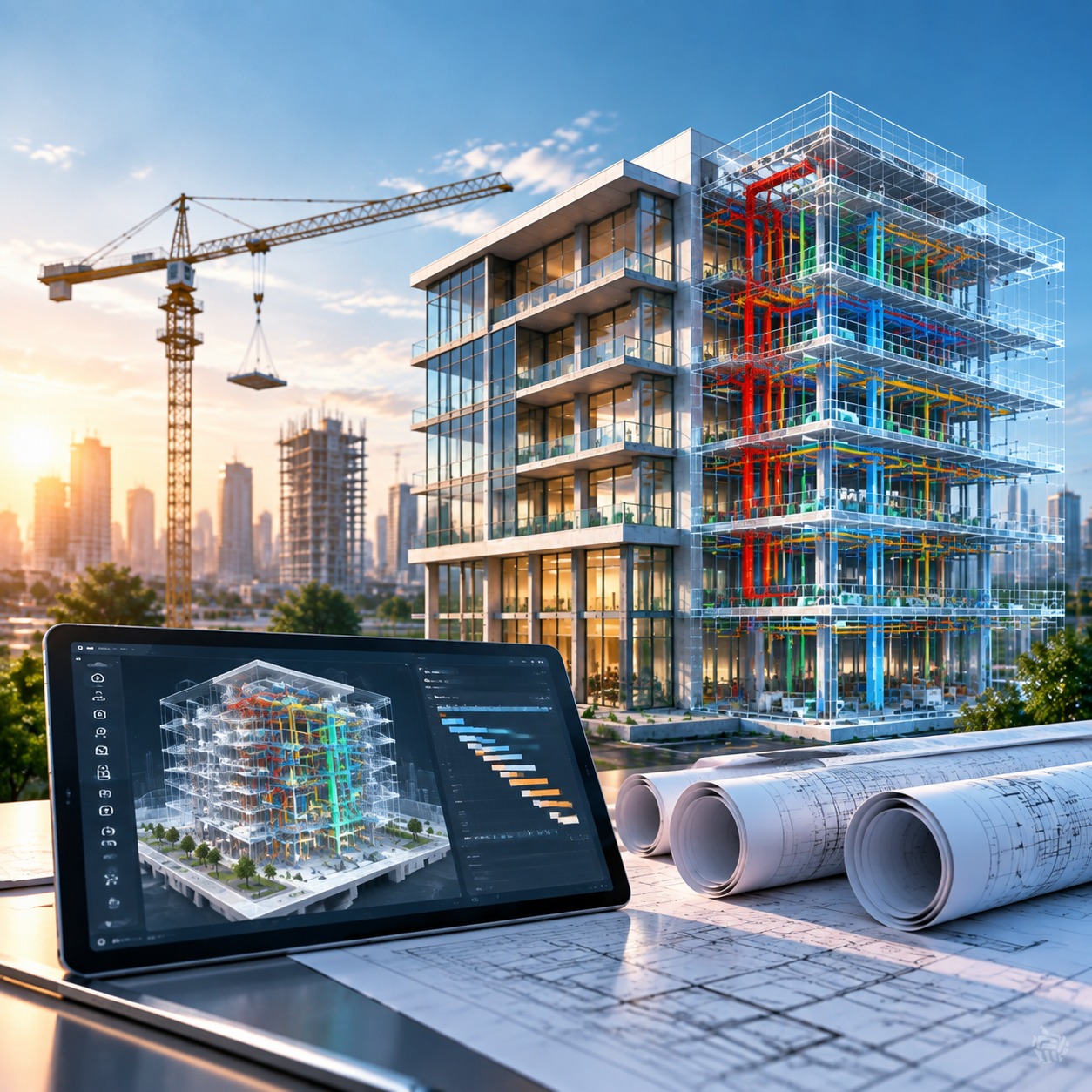

Introduction – Why BIM Drawings Are Relevant Today
Drawings to smarter, team-based systems. BIM drawings are a big part of this, totally changing how projects get designed, put together, and built. Instead of just flat blueprints, you get 3D models packed with info on design, building, and upkeep – it's like having one place where everyone can find the real deal. And this switch has meant projects are more accurate, teams work better together, and things get done quicker.
What are BIM Drawings?
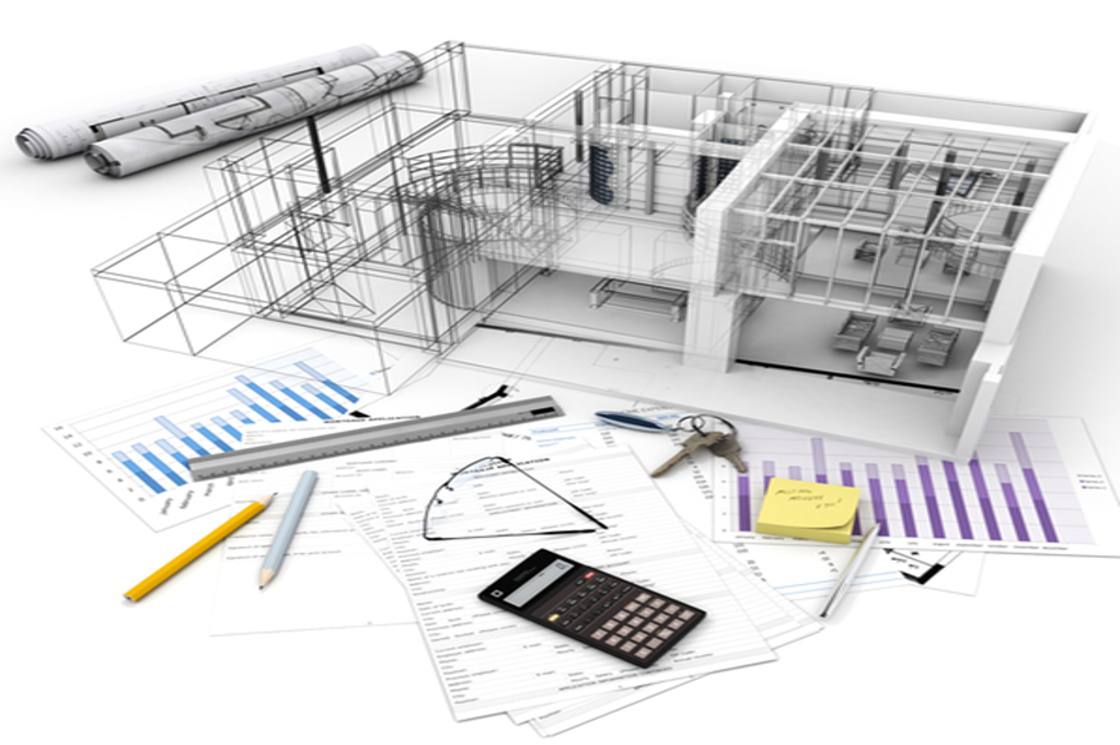
BIM drawings come from Building Information Modeling software. Think of them as more than just images; they're packed with details on materials, schedules, costs, and performance. Each part in the drawing is a smart object linked to real-world info. This makes them super useful for architects, engineers, and contractors because they help keep things accurate and coordinated throughout a project.
BIM drawings are basically the info that makes building smarter, faster, and more predictable.
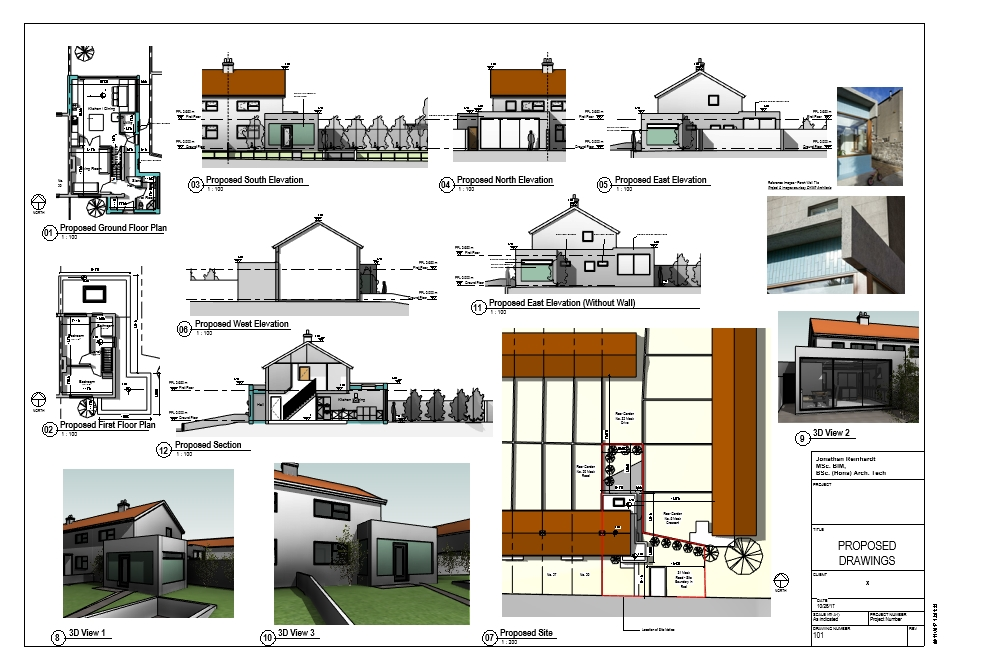
BIM Drawings vs Traditional CAD Drawings
BIM and CAD are both helpful in building, but they work in very different ways. Here's how they stack up:
This shows why BIM models and drawings are quickly replacing CAD as the industry standard.
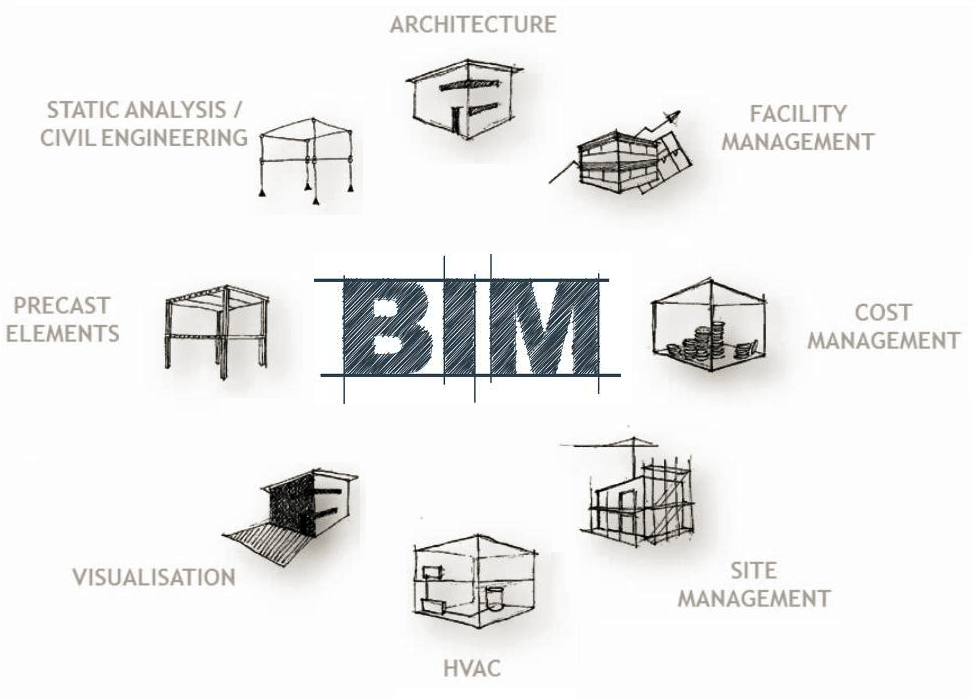
Types of BIM Drawings
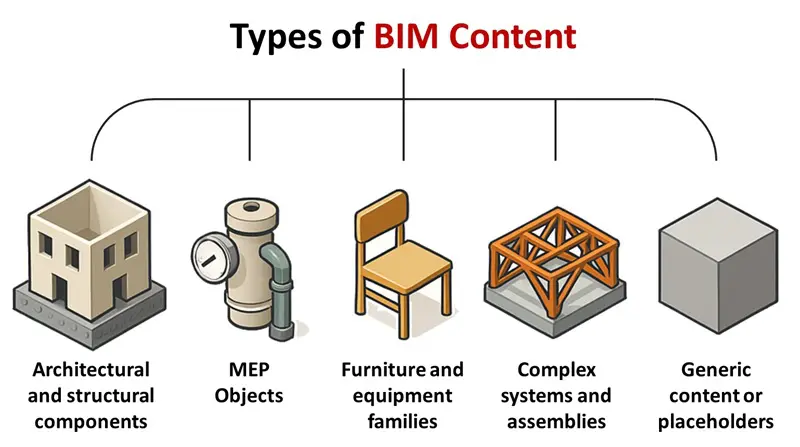
BIM drawings change based on the work and how far along the project is. Each kind makes sure teams work together better and are more accurate.
1. Architectural BIM Drawings
These drawings show what the building should look like, focusing on:
- Floor plans
- Elevations
- Sections
- 3D visualizations
Architectural BIM drawings help everyone see the space, look, and how it works more clearly than old-fashioned plans.
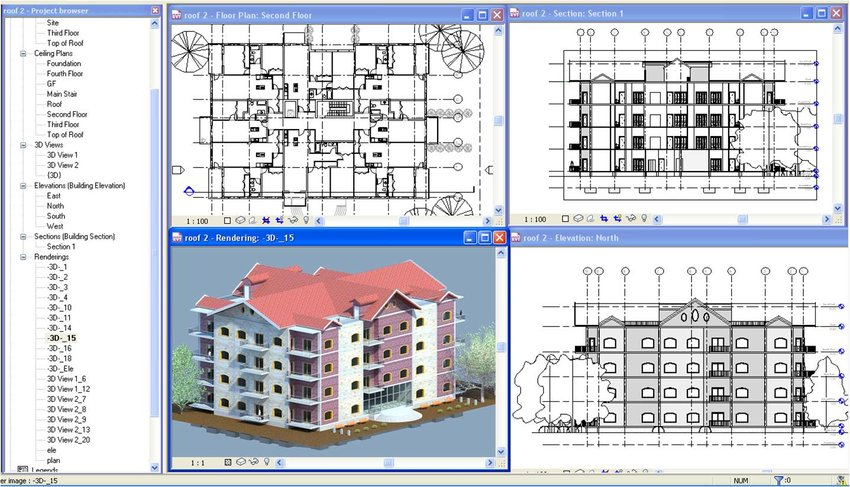
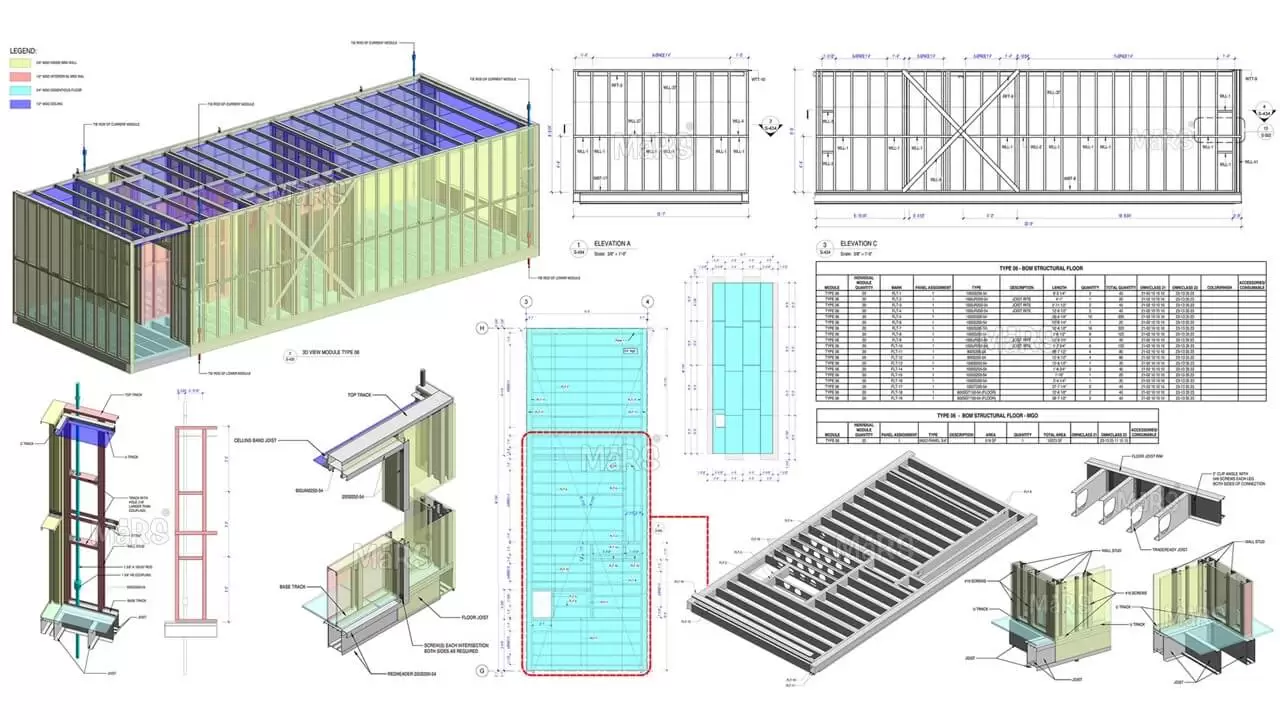
2. Structural BIM Drawings
These drawings show how strong a building is by showing:
- Beams, columns, slabs, and foundations
- Reinforcements and steel details
How it's all put together
If these drawings are right, there will be fewer mistakes when building and everyone can work better together.
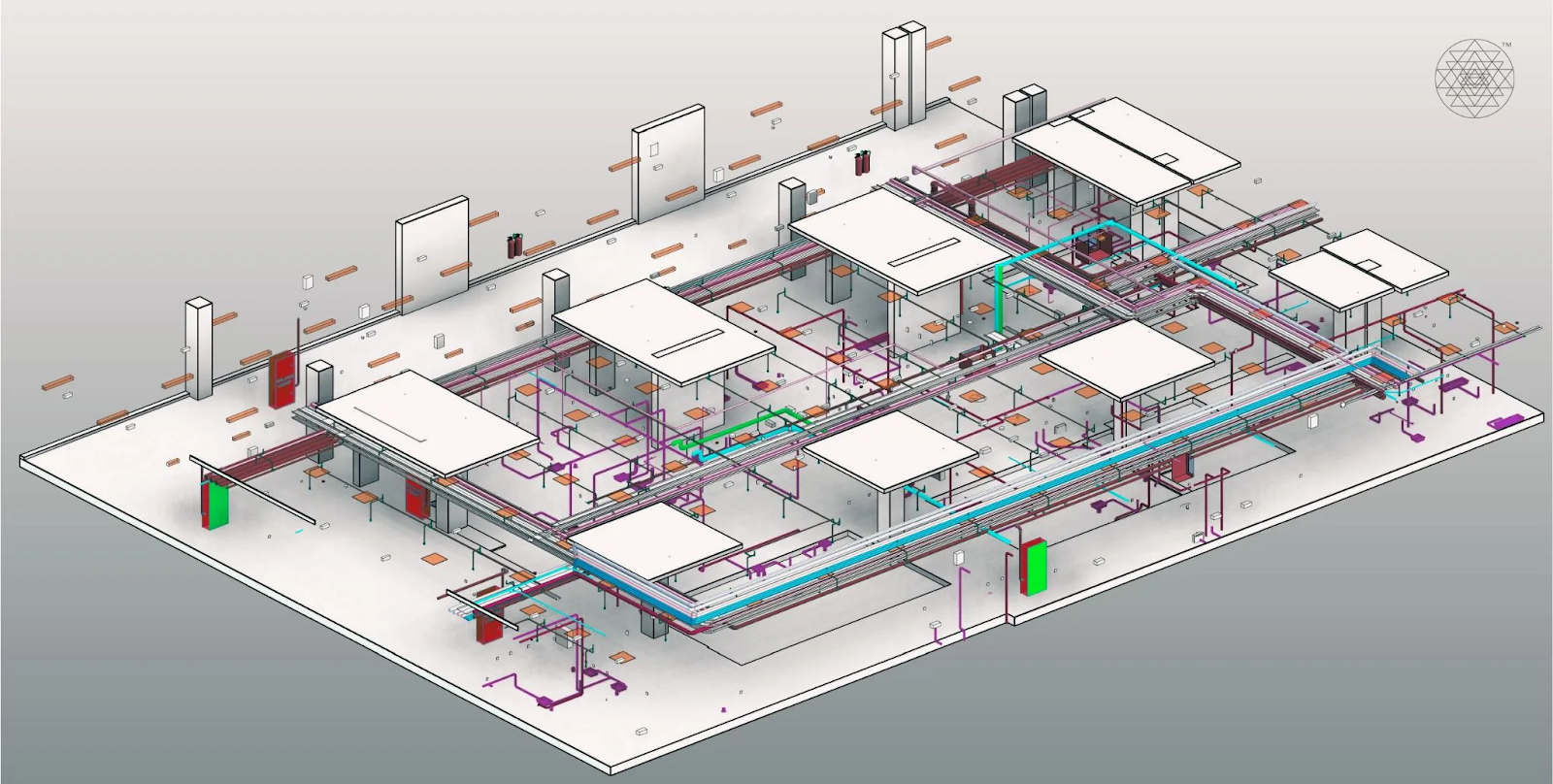
3. MEP BIM Drawings (Mechanical, Electrical, Plumbing)
MEP drawings are super important for construction. They show you where the:
- Heating and cooling systems go
- Electrical components are located
- Plumbing pipes run
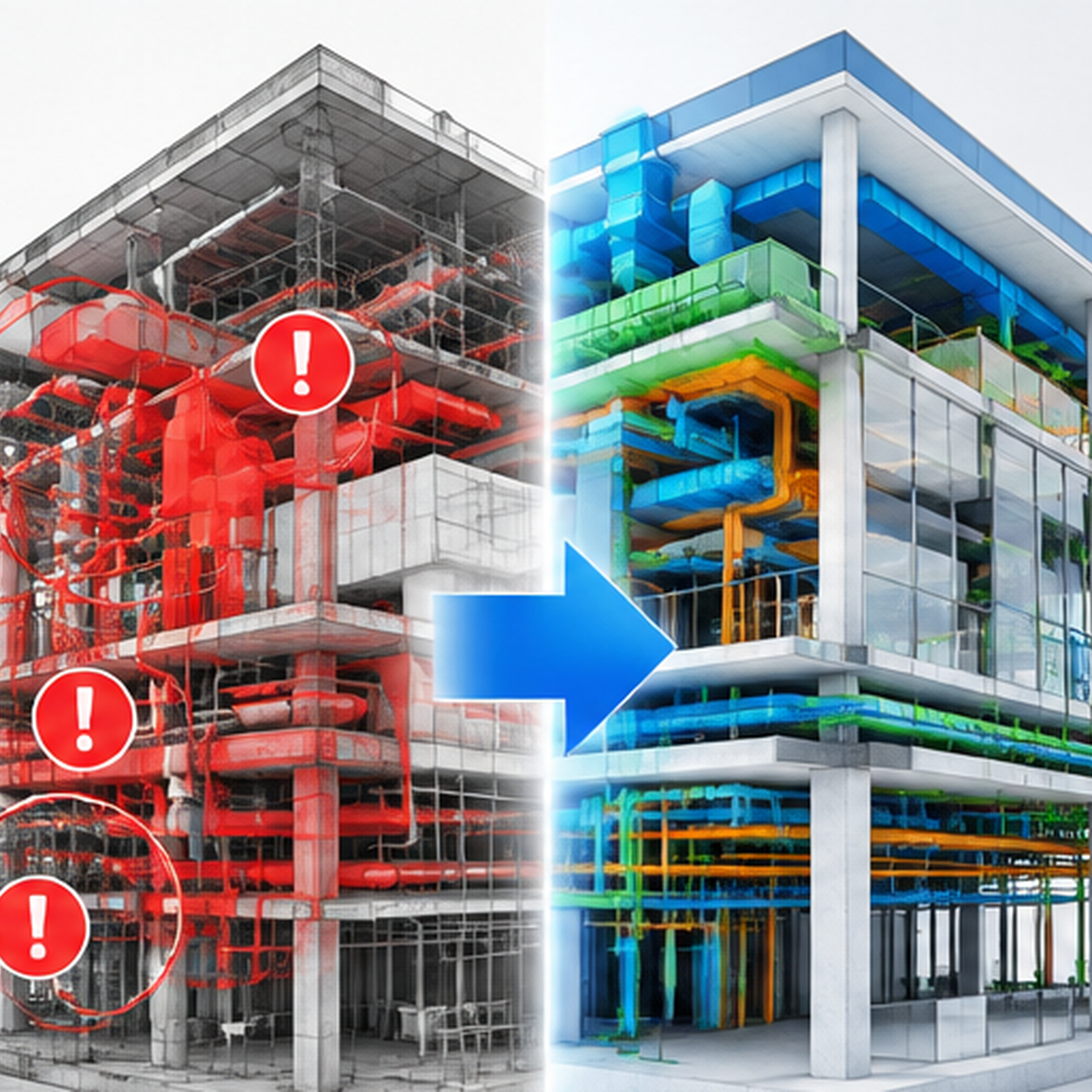
BIM coordination drawings help catch any MEP and structural issues early on, which saves money and stops mistakes during construction.
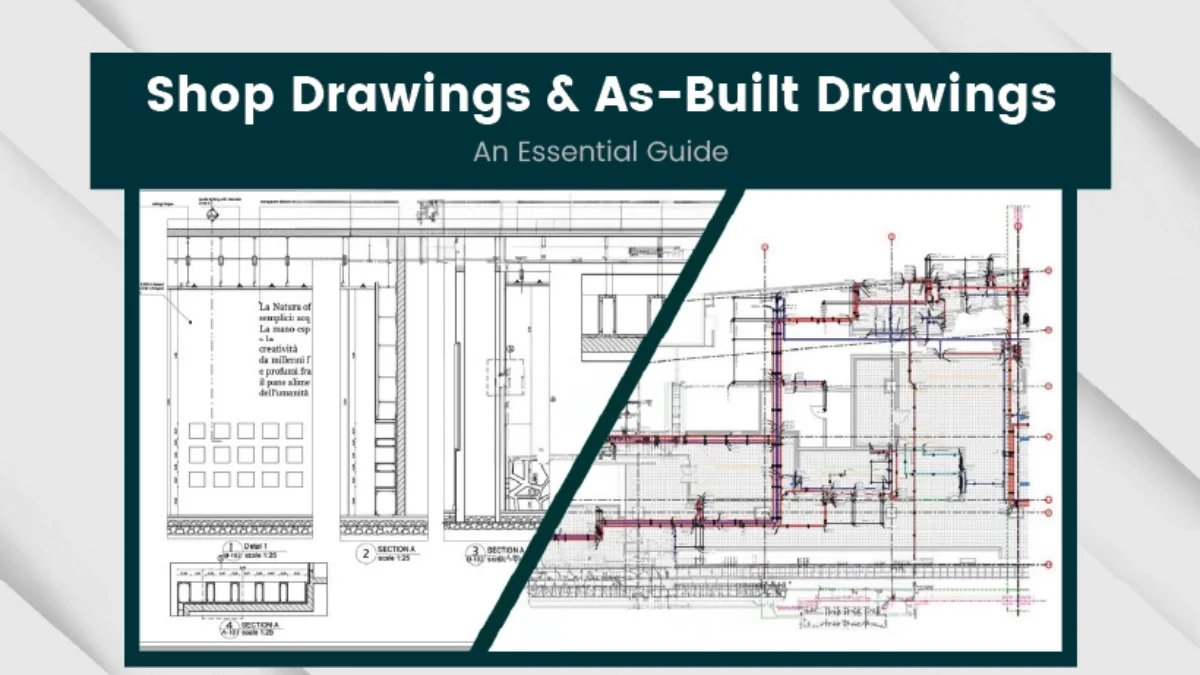
4. As-built BIM Drawings
These drawings show what was actually built, not just what was planned. They include:
- The final layout of everything that was installed.
- Any changes that were made during building.
- Good records for managing the building later.
As-built BIM drawings are super important for running the place, doing renovations, and keeping everything maintained.
Key Benefits of BIM Drawings in Construction Projects
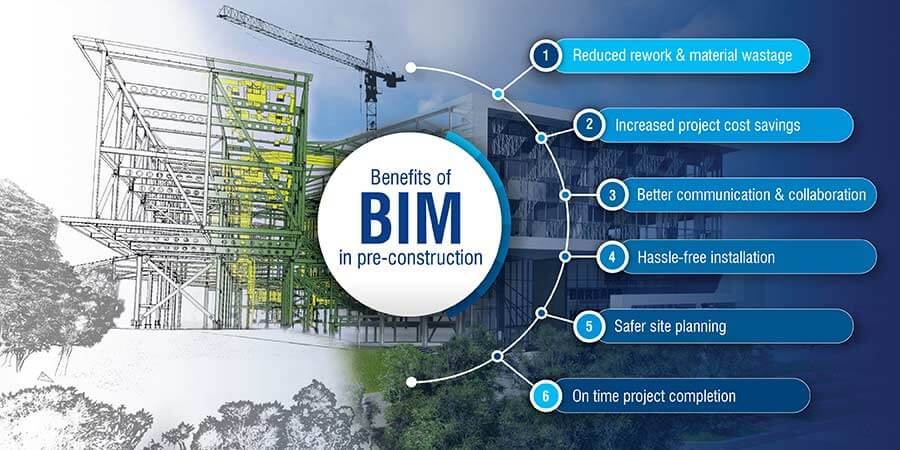
The advantages of BIM drawings extend beyond accuracy. Here are some key advantages:
- Find clashes: Spot design problems automatically before building starts.
- Better teamwork: Everyone working on the project can get to the same models.
- Less fixing needed: Fewer mistakes during building because of detailed models.
- Quicker okay's: Easy-to-see pictures help people sign off on designs fast.
- Cheaper costs: Built-in cost checks cut down on waste and stop overspending.
- Long-term help: Info in the BIM models helps with running and looking after the building later.
How BIM Drawings Can Be Used Across Industries
BIM drawings are useful in many different areas:
- Commercial Construction: BIM helps make better designs for places like office buildings, hospitals, and malls.
- Residential Projects: BIM's great for planning and cutting down on mistakes when building apartments, houses, and whole neighborhoods.
- Industrial Projects: Factories and warehouses use BIM for things like their pipes, wiring, and ventilation. Plus, it helps them follow all the rules.
- Infrastructure Development: Big BIM models are a big help when planning and building bridges, roads, and train tracks.
Conclusion – The Future of BIM Drawings
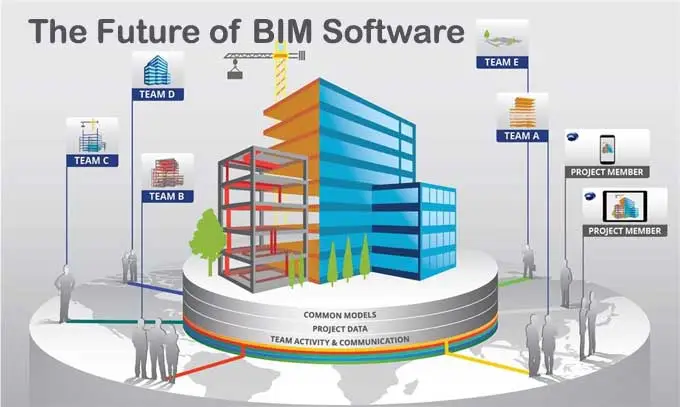
As building projects get more complex, BIM is becoming essential. BIM drawings allow people to cooperate more easily, reduce issues, and ensure projects run more smoothly. Soon, things like AI, online platforms, and real-time info sharing will make BIM even better, leading to faster, greener, and cheaper construction.
FAQs
1. What's the difference between BIM and CAD?
BIM drawings have info like materials, schedules, and costs built-in. CAD drawings just show the shape of things.
2. Why use BIM in construction?
BIM helps everyone work together better, cuts down on problems, and makes the whole job easier from start to finish.
3. Will BIM totally replace old-school drawings?
BIM's getting popular, but you still need some 2D drawings for permits and records.
4. What kinds of BIM drawings are there?
You'll usually see drawings for architecture, structure, MEP (mechanical, electrical, plumbing), and as-built conditions.
5. Do BIM drawings show MEP stuff?
MEP BIM drawings show all the details for heating, plumbing, and electric so install goes smoothly.
6. Is BIM only for big projects?
Nope, BIM is good for any size project. It makes things clearer, saves time, and cuts costs.
7. How does BIM help stop mistakes on the job site?
BIM can spot clashes (where things run into each other) and keeps all the info correct, so you don't make expensive errors.