.png)


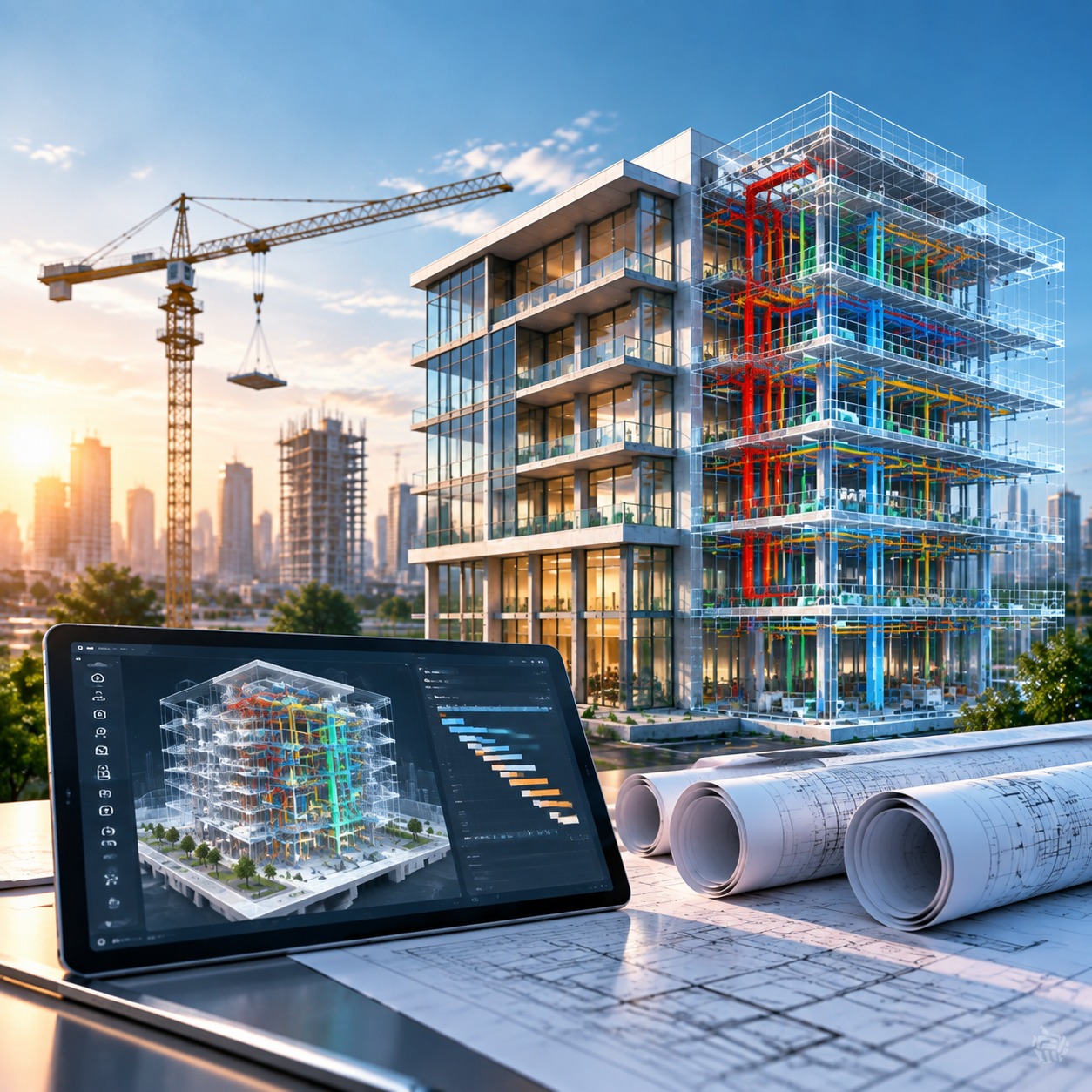
With the fast-transforming world, people now demand high standards in the construction industry as well, seeking faster project delivery and completion of projects under budget while maintaining top quality, all this without compromising on safety. Whereas if we look at traditional construction methods, you will often see fragmented work and an inability to meet the basic construction demands in today's data-driven world. To fulfill the gap between the modern world's expectations & traditional methods, BIM & lean construction come together as a powerful combination.
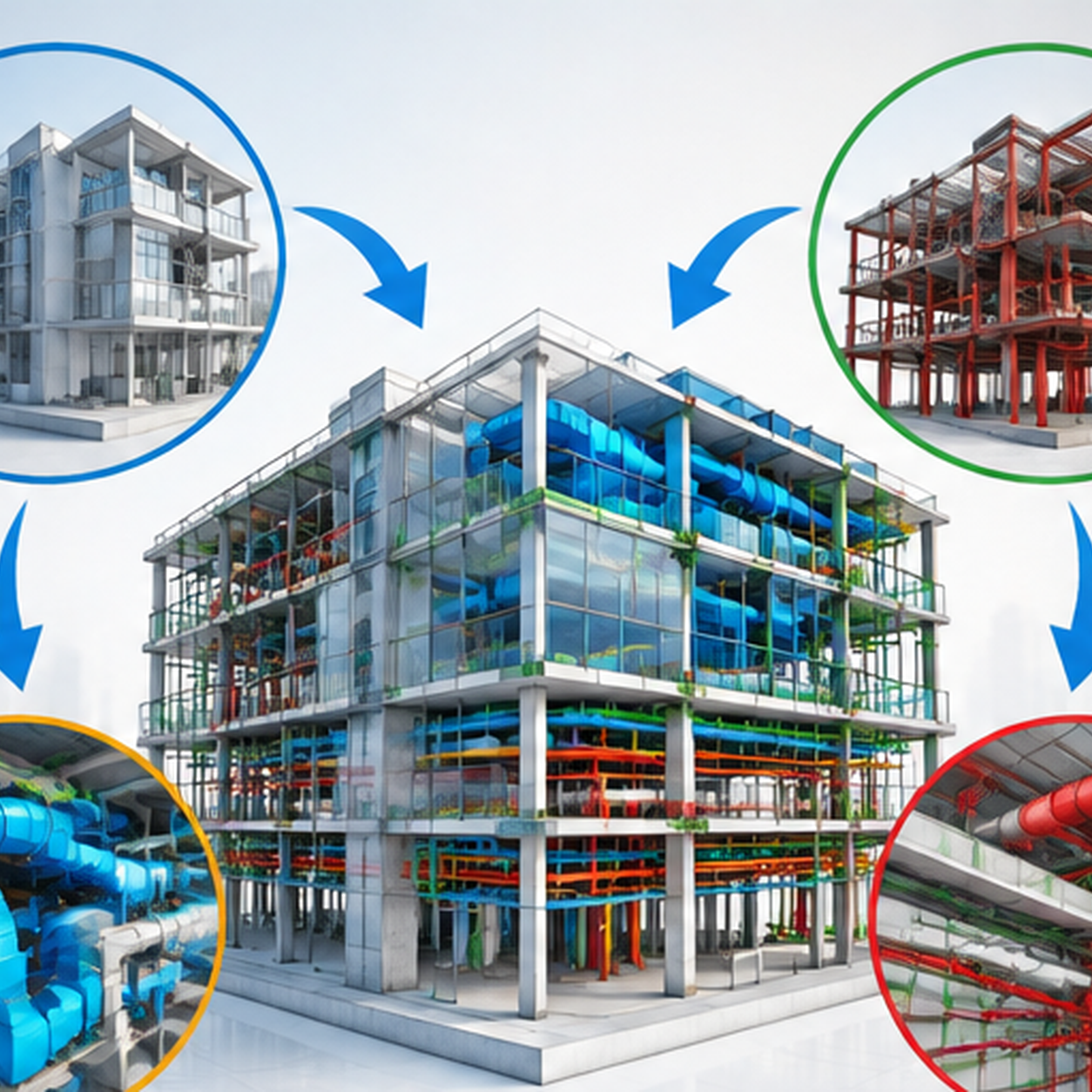
Building information modeling (BIM) provides a digital cloud-based platform & data-driven workflows, while lean construction focuses on eliminating waste and maximizing value. When integrated, these two approaches transform how construction projects are planned, designed, executed, and delivered.
In this article, we will unleash every horizon that combines BIM and lean construction and explore their benefits, practical applications, tools, challenges, and best practices for successful implementation.
What is BIM and Lean Construction?
What is BIM?
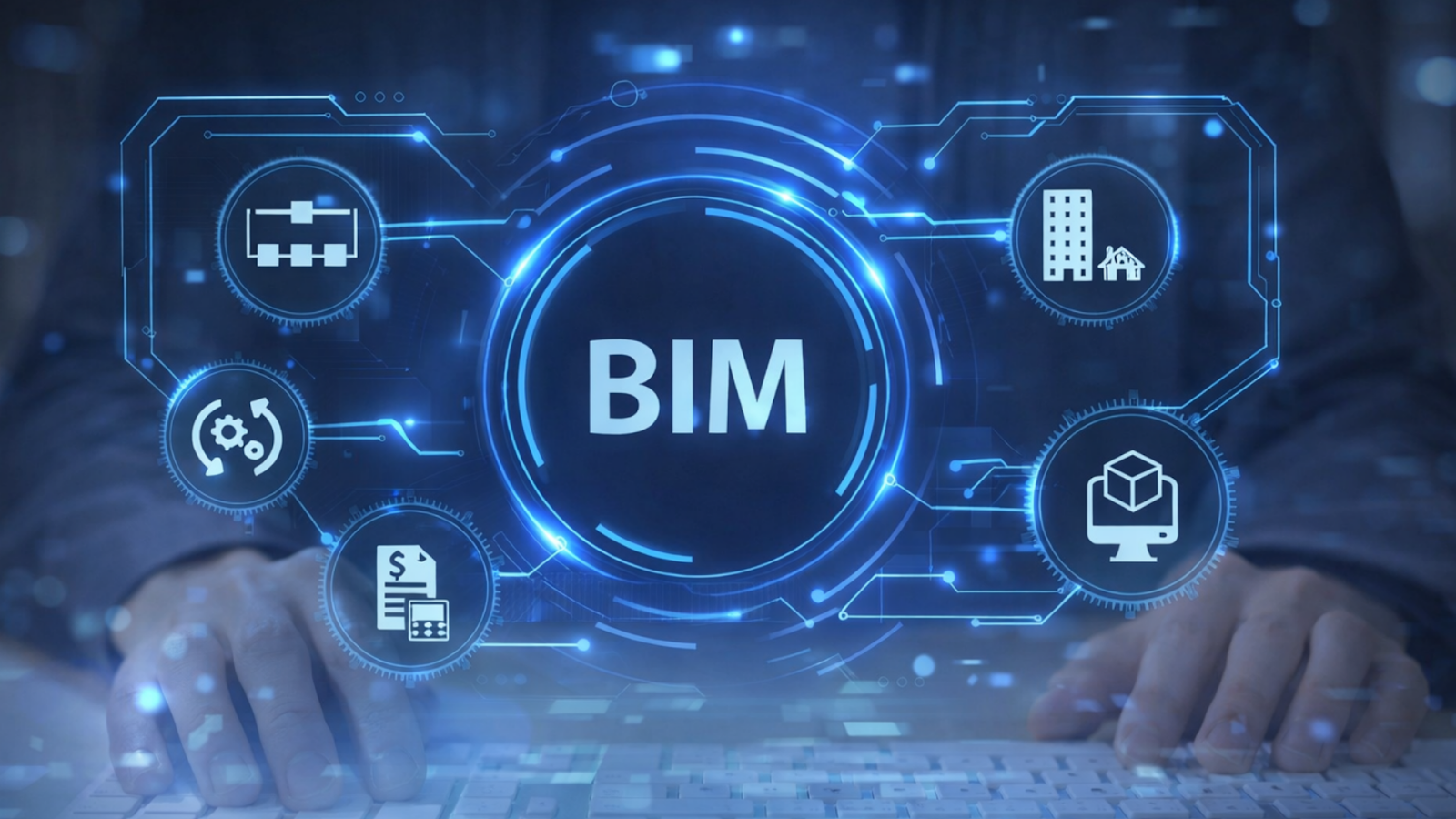
BIM stands for Building Information Modeling, a 3D model consisting of a collaborative, data-rich procedure that allows all project teams to collaborate on a common digital cloud-based representation of an infrastructure asset.
The data-rich BIM models contain all the important information, such as geometry, quantities, specifications, schedules, and performance data that support decision-making across the entire project lifecycle, right from concept to operations and maintenance.
BIM benefits teams with the following points:
- Better visualization
- Early clash detection
- Improve coordination & collaboration
- Reduce costly rework
- Cloud-based workspace
What is Lean Construction?
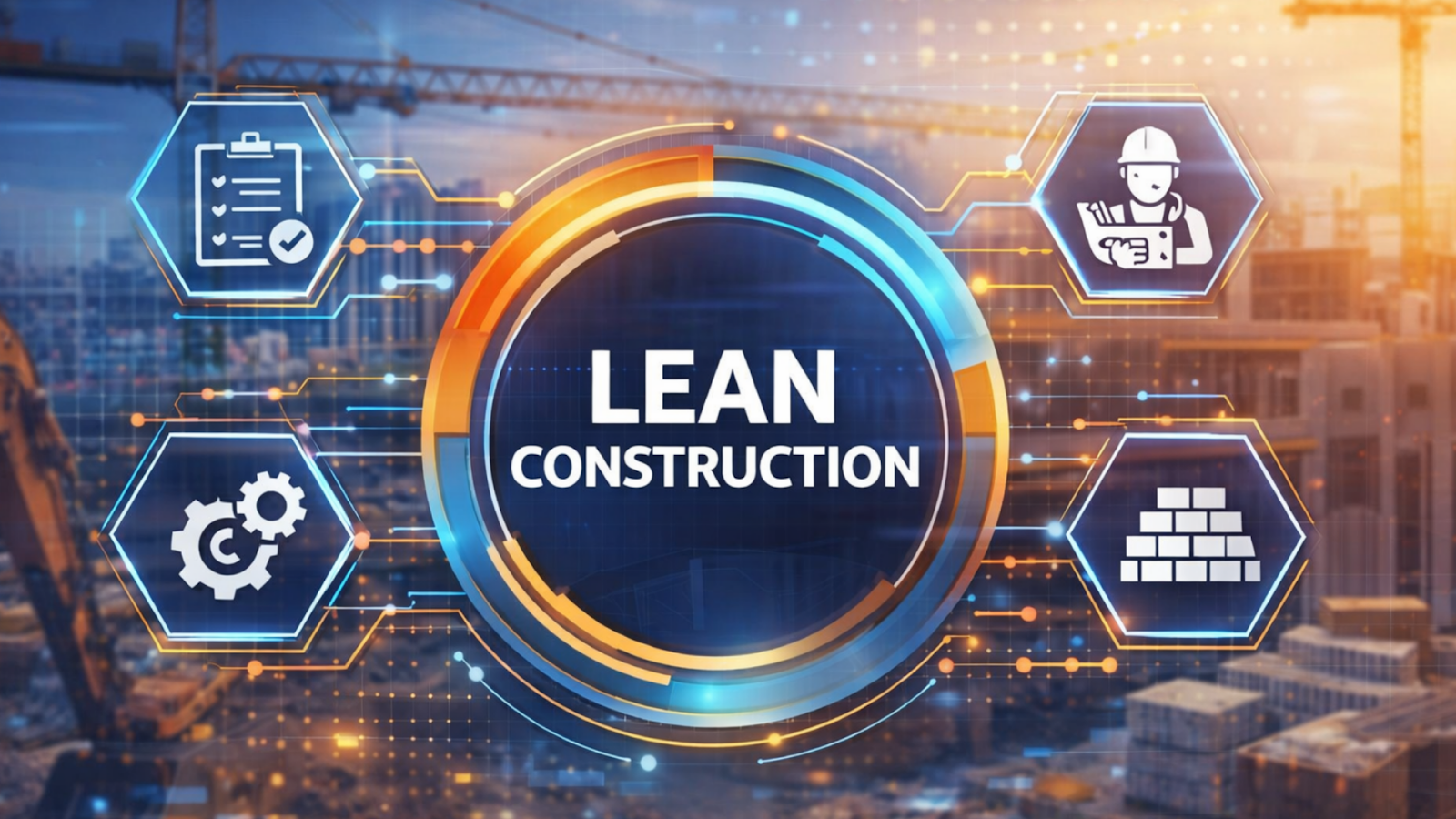
Lean construction is a project delivery philosophy adapted from lean manufacturing principles. Its main objective is to minimize waste and maximize value during the construction process. Lean construction strongly emphasizes collaboration, continuous improvement, reliable workflows, and respect for people.
The main objectives of lean construction are:
- Reducing non-value-adding activities
- Improving workflow reliability
- Enhancing collaboration and transparency
- Delivering what the client truly values
Why BIM & Lean Construction Together?
BIM & Lean construction together create a unified & strong system where digital transparency supports accurate lean decision-making, allowing teams & stakeholders to identify waste, test alternative options, and continuously check & optimize processes to ensure zero issues occur on the site during construction.
To help you understand better, here are some examples:
Lean planning and decision-making are supported by early visualization made possible by BIM models.
Pull planning and other lean scheduling techniques are compatible with 4D BIM simulations.
BIM model quantity takeoffs facilitate just-in-time material delivery.
How Does BIM Integrate with Lean Construction?
The integration of BIM with Lean Construction lies in aligning digital modeling capabilities with lean principles and methods. BIM provides accurate, real-time information, while Lean Construction uses that information to improve workflows and eliminate inefficiencies.
For example:
- Lean planning and decision-making are supported by early visualization made possible by BIM models.
- 4D BIM simulations align with lean scheduling methods like pull planning.
- BIM model quantity takeoffs facilitate just-in-time material delivery.
Key Benefits of Combining BIM and Lean Construction
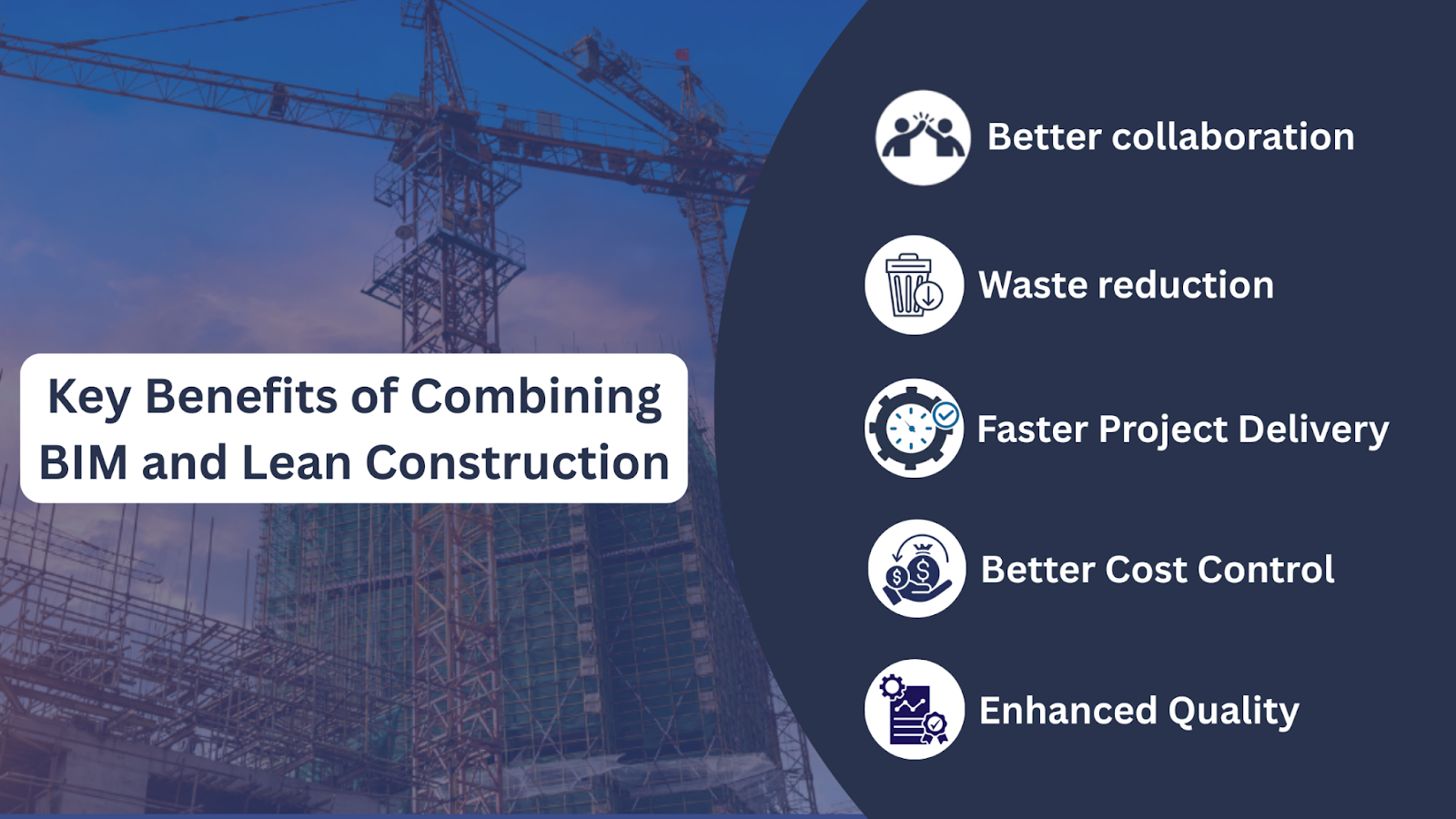
1. Better collaboration:
BIM creates a shared digital platform for all stakeholders. Lean construction uses this collaboration by promoting transparency, early involvement, and shared responsibility.
2. Waste reduction:
BIM helps identify rework, waiting time, excess materials, or inefficient sequencing early, while lean construction methods focus on eliminating them in an organized manner.
3. Faster Project Delivery
4D BIM simulations & lean scheduling techniques improve workflow reliability, reduce delays, resulting in faster project delivery.
4. Better Cost Control
Teams experience fewer modifications and rework with precise numbers, clash-free designs, and streamlined operations, which improves cost predictability.
5. Enhanced Quality
By integrating both, issues/errors are detected & addressed before construction begins, helping to improve project quality.
Lean Construction Principles Applied in BIM
1. Value Maximization
By visualizing design options and evaluating their effects on cost, performance, and constructability, BIM enables teams enhance final value.
2. Waste Minimization
Lean construction identifies and eliminates waste categories such as overproduction, waiting, and defects.
3. Continuous Improvement
BIM models continuously reflect capturing lessons learned and real-time feedback. Whereas Lean Construction helps teams to analyze this data and refine processes.
4. Flow and Reliability
Lean emphasizes smooth workflows. BIM-based simulations help teams plan sequences that reduce interruptions, congestion, and downtime on site.
BIM and Lean Construction for Improved Collaboration
Both Lean Construction and BIM rely heavily on teamwork. Lean Construction creates the framework for behavior and process, while BIM offers the digital platform.
By working from a shared model and shared goals, teams improve trust, accountability, and overall project performance.
Key collaboration improvements include:
- Early contractor involvement
- Transparent information sharing
- Combining design and construction planning
- Reduced silos between stakeholders
The Role of BIM in Lean Construction Project Management
By serving as a single source of truth, BIM is essential to lean project management. BIM facilitates better decision-making, more predictable planning, and increased control over project outcomes when paired with Lean Construction techniques.
Project managers use BIM to:
- Track progress against planned schedules
- Monitor quantities & material flows
- Visualize construction sequencing
- Identify risks before they impact the site
Lean Construction Methods: Key Approaches for Optimizing Construction Projects
- Last Planner System (LPS)
LPS focuses on collaborative planning & reliable commitments. BIM helps with this by offering precise data and visuals for planning on a weekly and long-term basis.
- Pull Planning
Starts from project milestones and works backward, these sequence this then validated by BIM-based 4D simulations.
- Just-in-Time (JIT) Delivery
BIM-based quantity data supports precise material planning, reducing excess inventory and site congestion.
- Target Value Design (TVD)
BIM enables teams to test design options against cost and performance targets, enabling decision makers with value-driven decision-making.
Lean Construction Tools and Software for BIM
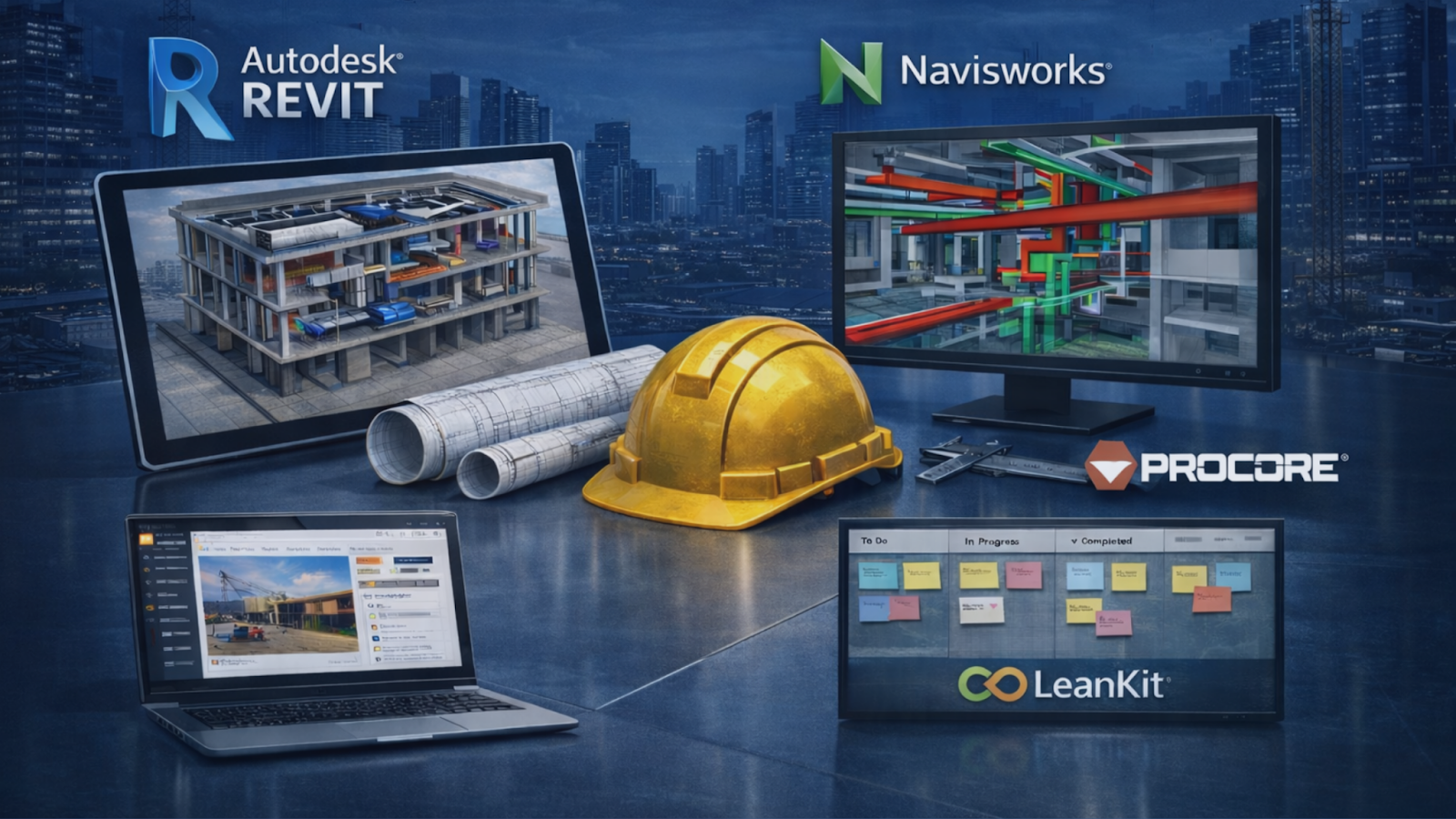
Several digital tools support the effective implementation of BIM and Lean Construction together. When used appropriately, these tools enhance overall construction efficiency and promote lean building techniques.
- Autodesk Revit
Used for data-rich design development, coordination, and BIM modeling.
- Navisworks
Used for Clash detection and 4D construction simulations.
- Procore
Promotes teamwork, workflow management, and lean communication.
- LeanKit
Aids in workflow visualization and lean process management.
Real-World Applications of BIM and Lean Construction
Lean construction and BIM are being used on complex infrastructure, commercial buildings, healthcare facilities, and industrial projects all around the world.
Common outcomes from real-world implementations include:
- Reduced construction timelines
- Improved coordination
- Reduce material waste
- Better cost planning & predictability
- Enhanced safety planning
Overcoming Challenges in BIM and Lean Construction Integration
Despite all the great benefits of BIM and Lean Construction, it also has some limitations, which create challenges in the adoption of this technology.
- Resistance to Change
Seniors who worked all their lives on the traditional workflows may resist new tools and processes. To pass this obstacle, leadership dedication and effective communication are essential.
- Training and Skill Gaps
Effective implementation requires training in both BIM tools and lean principles. Mentorship and continuous training aid in filling this gap.
- Software & Data Integration
Establishing standardized workflows and data exchange protocols helps mitigate this challenge.
- Cultural Alignment
Leadership and a team mentality are essential for the success of Lean Construction, which demands a culture of trust and cooperation.
Best Practices for Implementing BIM and Lean Construction
To successfully integrate BIM and Lean Construction, organizations should follow these best practices given below. When implemented strategically, BIM and Lean Construction become long-term capabilities rather than one-time initiatives.
Here are the best practices that you can implement
- Early involvement of all stakeholders in the project
- Establish clear BIM execution plans aligned with lean goals
- Standardize workflows and naming conventions
- Use BIM for planning, not just visualization
- Encourage continuous feedback and improvement
- Invest in training and skill development
FAQs
How does BIM support Lean Construction principles?
By offering precise data, coordination, and visualization tools to cut down on waste and increase value.
What are the main challenges when combining BIM and Lean Construction?
The main challenges when combining BIM and Lean Construction are resistance to change, training and skill gaps, software & data integration, and cultural alignment.
Can BIM and Lean Construction reduce construction project costs?
Yes, the integration reduces the construction project cost.
How does Lean Construction minimize waste in BIM projects?
By finding tasks that don't add value, BIM offers the information and visibility required to proactively remove waste.
What is the role of collaboration in BIM and Lean Construction?
To share information and promote transparency, teamwork, and reliable workflows.
How does BIM help in Lean Construction project scheduling?
Teams may visualize construction sequences and link them with lean planning techniques like pull planning thanks to BIM's support for 4D scheduling.
How can BIM improve Lean Construction workflows?
By providing real-time data, clash-free designs, accurate quantities, and better sequencing insights.
Is BIM and Lean Construction applicable to all types of construction projects?
Yes, from small commercial to large infrastructure projects.