.png)

Introduction
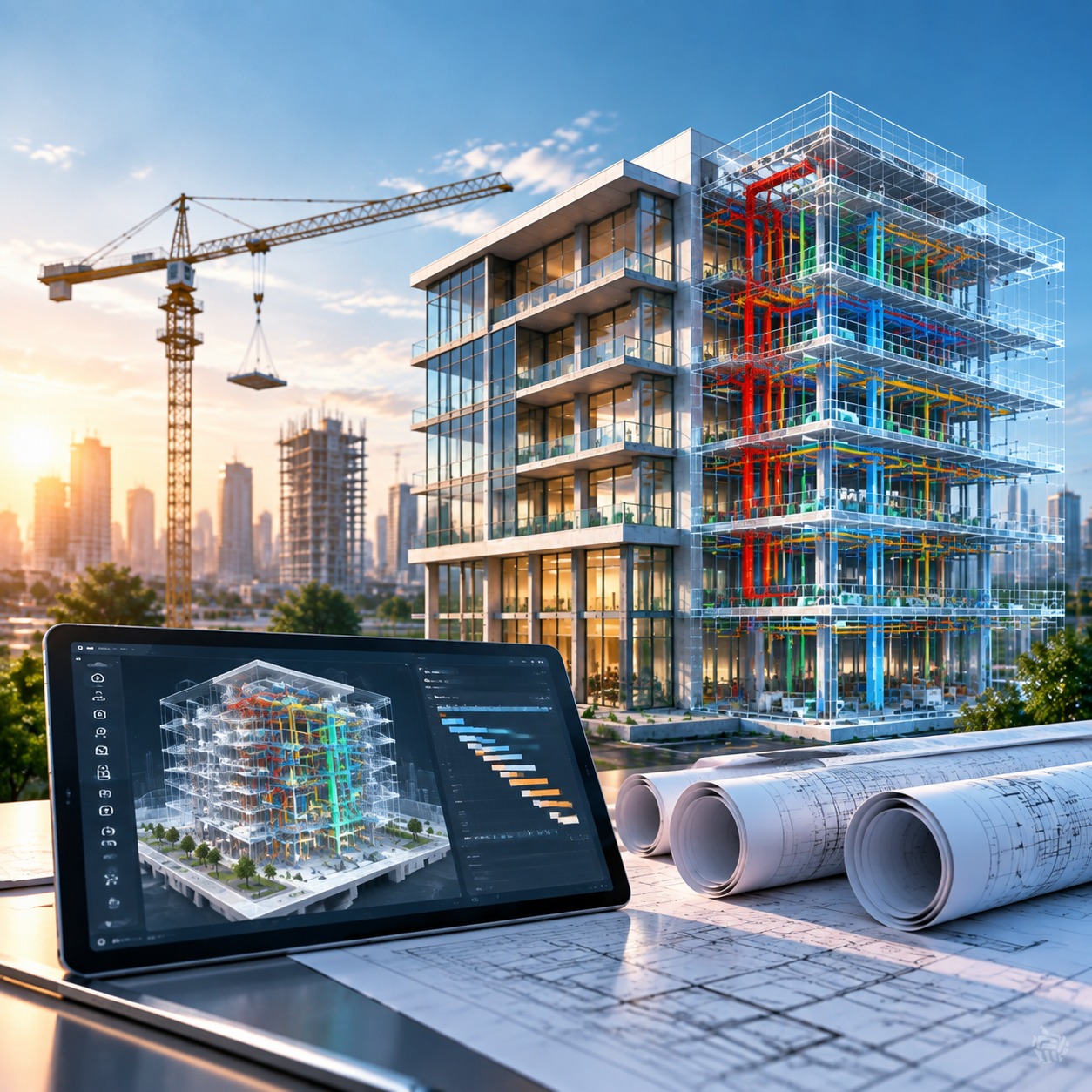
BIM coordination plays a critical role in modern AEC project delivery by enabling architects, engineers, contractors, and BIM teams to integrate multidisciplinary models, identify design conflicts, and improve overall project outcomes. While clash detection is an essential part of the coordination process, it represents only one step within a broader workflow focused on model review, issue resolution, and constructability improvement.
Although BIM coordination and clash detection are often used interchangeably, they serve different purposes in construction projects. Clash detection helps teams identify conflicts between architectural, structural, and MEP systems, while BIM coordination involves managing these issues, coordinating design changes, and ensuring that all disciplines work together effectively before construction begins.
Understanding the difference between BIM coordination and clash detection helps AEC organizations reduce rework, improve collaboration, and create more reliable BIM workflows for successful project delivery.
What Is BIM Coordination in Construction?
BIM coordination in construction is the process of integrating, reviewing, and managing BIM models from different disciplines to ensure that all building components work together correctly.
A typical AEC project involves multiple teams, including:
- Architectural design teams
- Structural engineering teams
- Mechanical, Electrical, and Plumbing (MEP) teams
- Contractors and construction stakeholders
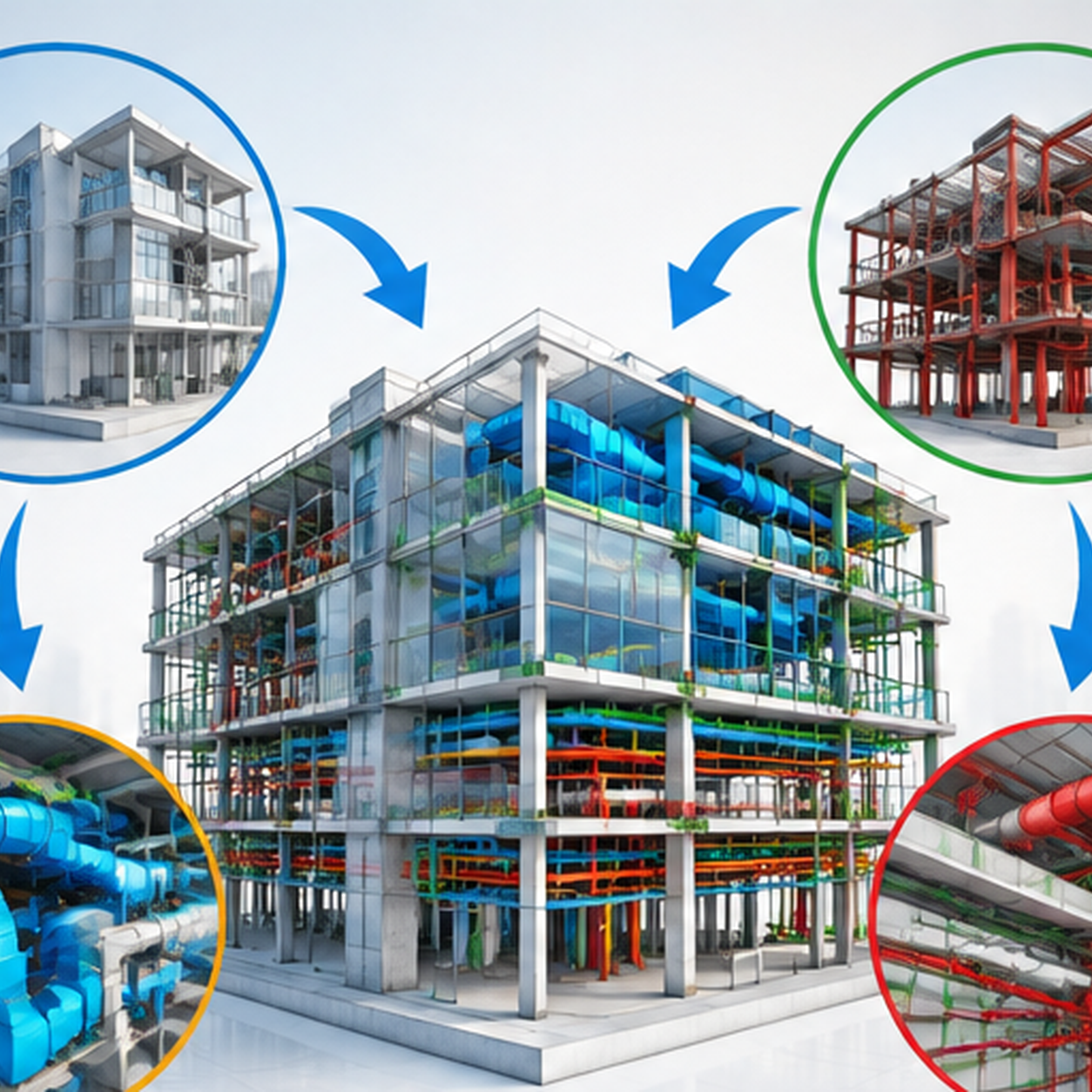
Each discipline develops its own BIM model based on project requirements. BIM coordination brings these models together into a coordinated environment where teams can review design information, identify conflicts, and improve constructability before construction begins.
Professional BIM coordination services support AEC firms by managing multidisciplinary BIM workflows, improving model accuracy, and enabling better collaboration between project stakeholders.
Hard Clashes
Physical conflicts between building components.
Examples:
- HVAC ductwork intersecting with structural beams
- Plumbing pipes passing through structural elements
- Electrical cable trays conflicting with mechanical systems
Soft Clashes
Clearance and accessibility issues that affect installation or maintenance.
Examples:
- Insufficient space around mechanical equipment
- Lack of required maintenance clearance
- Installation access problems
Workflow Clashes
Conflicts related to construction sequencing and installation planning.
Examples:
- Multiple trades requiring the same workspace
- Incorrect installation sequence between disciplines
BIM Coordination vs Clash Detection: Key Differences
How Clash Detection Supports BIM Coordination
Clash detection is one of the most important activities within a complete BIM coordination workflow.
The process generally includes:
1. Model Collection
Discipline-specific BIM models are collected from different teams:
- Architectural models
- Structural models
- MEP models
2. Federated Model Development
Individual discipline models are combined into a federated BIM model.
This allows teams to view and analyze the complete project environment.
3. Clash Identification
Using BIM clash detection software, teams identify:
- Design conflicts
- Spatial conflicts
- System coordination issues
- Installation challenges
4. Coordination and Resolution
After clashes are identified, BIM coordinators work with project teams to:
- Review issues
- Assign responsibilities
- Modify designs
- Validate solutions
This resolution process is where BIM coordination provides value beyond simple clash detection.
Why BIM Coordination Is More Than Clash Detection
A common misunderstanding in construction is that completing clash detection means the BIM coordination process is finished.
However, clash detection only identifies potential conflicts.
A complete BIM coordination process includes:
- Model integration
- Design review
- Coordination meetings
- Issue tracking
- Conflict resolution
- Constructability analysis
- Stakeholder communication
For example, if clash detection identifies an HVAC duct conflicting with a structural beam, BIM coordination determines:
- Which discipline should revise the design
- What solution is practical for construction
- How the change affects other systems
- Whether the revised design meets project requirements
Role of BIM Coordination in AEC Projects
Architectural Coordination
For architects, BIM coordination helps:
- Maintain design intent
- Improve communication between disciplines
- Identify design conflicts early
- Support better project decisions
Structural Coordination
For structural engineers, coordination helps:
- Validate structural layouts
- Identify conflicts with other building systems
- Improve constructability
- Reduce design changes during construction
MEP Coordination
Complex building systems require detailed coordination.
MEP BIM coordination services help manage:
- HVAC systems
- Electrical systems
- Plumbing networks
- Fire protection systems
This improves system integration and reduces installation conflicts during construction.
Benefits of BIM Coordination and Clash Detection
Reduce Construction Rework
Identifying conflicts digitally allows project teams to resolve issues before they reach the construction site.
Improve Model Accuracy
Coordinated BIM models provide better visibility into design requirements and project conditions.
Improve Collaboration Across Teams
Architects, engineers, contractors, and BIM teams can work with updated and coordinated project information.
Support Better Construction Planning
Coordinated models help teams improve:
- Installation planning
- Construction sequencing
- Trade coordination
- Project execution
How Techture Supports BIM Coordination for AEC Projects
Techture helps architects, engineers, contractors, and developers improve project delivery through advanced BIM workflows and coordination expertise.
Techture’s BIM capabilities include:
- Multidisciplinary BIM model coordination
- BIM clash detection
- Model review and auditing
- MEP coordination
- Design conflict identification
- Issue management workflows
- Construction coordination support
By combining BIM expertise, industry knowledge, and technology-driven workflows, Techture enables project teams to create reliable digital models, reduce coordination challenges, and improve construction outcomes.
Build Better Projects with Smarter BIM Coordination
Partner with Techture to streamline multidisciplinary coordination, reduce rework, and improve collaboration across every stage of your construction project.
CTA Button:
Explore Techture’s BIM Solutions
Frequently Asked Questions
What is the difference between BIM coordination and clash detection?
BIM coordination is the complete process of managing and integrating multidisciplinary BIM models, while clash detection is a specific activity used to identify conflicts between building elements.
Is clash detection part of BIM coordination?
Yes. Clash detection is an important part of the BIM coordination workflow, but BIM coordination also includes model management, issue resolution, and stakeholder coordination.
What software is used for BIM clash detection?
BIM clash detection software helps teams analyze federated BIM models, identify conflicts, and generate coordination reports.
Why is BIM coordination important in construction?
BIM coordination in construction helps AEC teams identify issues early, reduce rework, improve communication, and support smoother project execution.
What services are included in BIM coordination?
Professional BIM coordination services include model integration, clash detection, model reviews, issue tracking, and coordination support across architectural, structural, and MEP disciplines.
Conclusion
BIM coordination and clash detection work together to improve AEC project delivery, but they serve different purposes. Clash detection identifies conflicts within BIM models, while BIM coordination manages the complete workflow of integrating models, resolving issues, and preparing projects for successful construction.
For architects, engineers, contractors, and developers, implementing structured BIM coordination services helps improve project accuracy, reduce construction conflicts, and deliver more efficient project outcomes.